How Much Sunlight Do Chinese prickly ash Need?
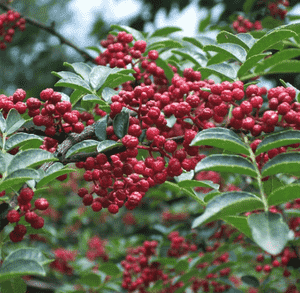
1
Chinese prickly ash flourishes with a minimum of 6 hours of direct sun exposure each day.
2
Some shade is tolerable, though it could influence the plant's general development and vitality.
3
Variations in seasons can alter the amount of light your Chinese prickly ash gets, requiring potential modifications.
Optimal Light Requirements for Chinese prickly ash
Full Sun Exposure
For peak development, the Chinese prickly ash should be situated where it can receive ample direct sunlight. This means a minimum of 6 hours of direct sun daily. Placing your plant in full sun guarantees it obtains sufficient energy for growth and the creation of its aromatic, peppercorn-like seeds. If you reside in a region with intense afternoon sun, consider offering some midday shade to prevent leaf burn.
Partial Shade Considerations
While the Chinese prickly ash can endure partial shade, it's crucial to note this might impact its development and vitality. Partial shade implies the plant gets some sunlight, perhaps 3-6 hours daily, typically in the morning or late afternoon. If full sun isn't feasible, ensure the plant receives as much light as possible to avoid stunted growth or weakened health. Partial shade could also slow the production of its distinctive seeds.
Seasonal Light Variations for Chinese prickly ash
Spring and Summer
During spring and summer, the Chinese prickly ash is in its primary growth phase. This is when it demands the most sunlight. Ensure the plant is positioned to absorb sun for the majority of the day. Longer days and more intense sunlight support robust growth and healthy foliage. If you observe leaves fading or dropping, it might signal excessive direct heat, and some afternoon shade could be beneficial.
Autumn and Winter
As days shorten in autumn and winter, the Chinese prickly ash will naturally receive less sunlight. This is a normal part of its life cycle, but ensure it still gets as much light as possible. You might need to move potted plants indoors to a bright window or provide supplementary lighting if natural sunlight is insufficient. Reduced light during these seasons can slow the plant's growth, which is typical as it prepares for dormancy.
Indicators of Insufficient Light for Chinese prickly ash
Leaf Discoloration
One of the initial signs your Chinese prickly ash isn't getting enough light is leaf discoloration. Leaves may turn yellow or pale, indicating the plant struggles to photosynthesize effectively. Maintaining adequate light will help preserve the plant's vibrant green color and overall health. If you notice these signs, consider moving the plant to a brighter location.
Stunted Growth
Another sign of inadequate light is inhibited growth. If your Chinese prickly ash isn't developing as expected, or if new shoots appear weak and small, the plant likely needs more light. Ensuring your plant receives the correct amount of light will stimulate proper growth and help it reach its full potential. In some cases, you might want to trim surrounding plants or obstructions that cast shadows.
How to Ensure Proper Light for Chinese prickly ash
Ideal Planting Locations
To ensure your Chinese prickly ash receives proper light, select an optimal planting spot. For outdoor plants, a south-facing area typically gets the most light throughout the day. Avoid planting your Chinese prickly ash in spots shaded by large trees or structures. For potted plants, placing them on a sunny balcony or near a window that receives direct sunlight for several hours daily can promote healthy growth.
Adjusting for Indoor Cultivation
If you're cultivating your Chinese prickly ash indoors, managing light can be more challenging. Position your plant near a south or west-facing window for maximum light exposure. Rotate the plant regularly to ensure all sides receive sufficient illumination. Additionally, consider using artificial grow lights to supplement natural light, especially during winter months when daylight hours are shorter. LED grow lights are energy-efficient and can provide the necessary spectrum for photosynthesis.
Frequently Asked Questions About Chinese prickly ash Light
Can Chinese prickly ash Grow in Low Light?
The Chinese prickly ash is not well-suited to low light conditions. While it can tolerate partial shade, prolonged low light will result in poor growth, leaf discoloration, and a general decline in plant health. It's essential to ensure your plant gets as much sunlight as possible to thrive.
What Type of Light is Best for Optimal Growth?
The best type of light for the Chinese prickly ash is full sun, meaning direct sunlight for at least 6 hours a day. However, if the local climate involves harsh midday sun, some afternoon shade can prevent leaf scorch. Balancing direct and indirect sunlight can create an ideal growing environment for your plant.



