How Much Sunlight Do Cardboard palm Need?
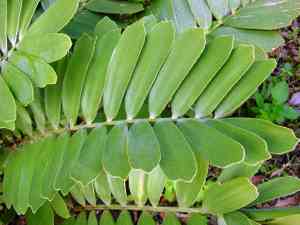
1
Cardboard palms flourish optimally with partial sun exposure, approximately 3-6 hours each day.
2
Although it withstands full sun, too much direct light could scorch its foliage.
3
Supplemental lighting can support robust development during cloudy periods or in dimly lit spaces.
Optimal Illumination Requirements for Cardboard Palm
Grasping Light Needs
The Cardboard palm is a versatile plant known for its ability to adapt to various light conditions. Ideally, it flourishes in partial sun, receiving approximately 3-6 hours of sunlight daily. This enables efficient photosynthesis without the risk of scorching. Placing the Cardboard palm in an area with filtered light or partial shade ensures its foliage remains vibrant and healthy.
Advantages of Sufficient Illumination
Providing ample sunlight to your Cardboard palm can lead to lush, green leaves and vigorous development. Sunlight is vital for photosynthesis, the process by which plants convert light into energy. With enough light, the plant can generate energy more effectively, fostering stronger, healthier growth.
Potential Dangers of Excessive Illumination
While the Cardboard palm tolerates full sun, prolonged exposure to direct sunlight can be detrimental. Overexposure to sun may cause leaf burn, where the foliage appears scorched or discolored. It's crucial to monitor your plant's direct sun exposure, especially during peak hours, to prevent damage.
Advice for Supplying Optimal Sunlight
Prime Locations in Your Home or Garden
Selecting the appropriate spot for your Cardboard palm can significantly impact its well-being. Indoors, position it near east or west-facing windows where it can receive gentle morning or afternoon light. If kept outdoors, choose a location with partial shade, particularly during midday when the sun is most intense.
Utilizing Artificial Light Sources
During colder months or in homes with limited natural light, supplemental artificial lighting can be an excellent solution. LED grow lights are a great choice as they offer a light spectrum suitable for photosynthesis. Position the lights about 30-45 cm (12-18 inches) above the plant and set them for 12-16 hours a day to mimic natural daylight.
Seasonal Adjustments for Light Exposure
As seasons change, so do light conditions. In summer, it's wise to move the Cardboard palm to shadier spots to prevent scorching. Conversely, in winter, you might need to relocate it closer to natural light sources or use artificial lights more frequently to compensate for shorter daylight hours.
Indicators of Inadequate Sunlight Exposure
Symptoms of Sunburn in Cardboard Palm
Signs of sunburn in your Cardboard palm include browning or bleached patches on the leaves, often accompanied by a crispy texture. These symptoms suggest the plant is receiving too much direct sunlight. If observed, consider moving the plant to a more shaded area.
Detecting Light Deficiency
Insufficient light can also present challenges. If your Cardboard palm's leaves are yellowing, becoming thin, or the plant is growing slower than usual, it might indicate a light deficiency. Relocating the plant to a brighter spot can often resolve these issues.
Corrective Actions
To rectify light exposure problems, evaluate your plant's current placement and light conditions. If it's in too much sun, move it to a shadier spot or use sheer curtains to filter the light. For light deficiency, gradually move the plant to a brighter area or introduce artificial lighting to enhance its health and growth.
Common Questions Regarding Cardboard Palm and Sunlight
Can Cardboard Palm Thrive in Low Light?
Yes, the Cardboard palm can grow in low light conditions, but it may not flourish as it would with adequate sunlight. Low light can lead to slower growth and less vibrant foliage. Supplementing with artificial lights can help maintain its health in such environments.
How to Acclimate Cardboard Palm to Brighter Light?
If transitioning your Cardboard palm to a brighter light environment, do so gradually. Begin by placing it in indirect light and slowly increase its exposure to direct sunlight over a few weeks. This gradual acclimation helps prevent sunburn and allows the plant to adjust without shock.
How Much Sunlight Does Cardboard Palm Require Daily?
The Cardboard palm benefits most from 3-6 hours of partial sunlight daily. This amount ensures it receives enough light for photosynthesis, promoting healthy growth while minimizing the risk of sunburn.



