How Much Sunlight Do Wine grape Need?
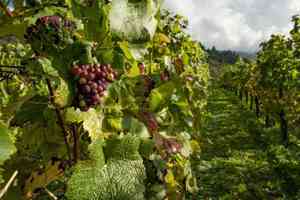
1
Grapevine plants flourish with ample sunlight, requiring more than six hours of direct sun each day.
2
Inadequate light exposure may result in subpar grape quality and reduced harvests.
3
Too much sun can lead to scorching of grape bunches and leaves, negatively affecting the plant's vitality.
Ideal Light Conditions for Grapevines
Daily Sun Duration
For grapevines to yield superior quality fruit, they need ample sun exposure. Ideally, these plants should receive a minimum of 6 to 8 hours of direct sunlight daily. This is particularly vital during the growth phase, as sunlight fuels photosynthesis, which is essential for robust vine development and flavorful grapes.
Prime Locations for Sun Access
Selecting the appropriate site for planting your grapevines is crucial for ensuring sufficient sunlight. A perfect spot would be a south-facing slope, allowing the plants to get maximum sun throughout the day. If a slope isn't an option, a flat area free from obstructions like buildings and large trees will also work well.
Sunlight's Influence on Grape Quality
Sunlight directly impacts the caliber of grapes produced. Adequate sun exposure boosts sugar development within the grapes, enhancing their sweetness and richness. Moreover, sunlight aids the ripening process, ensuring grapes achieve their peak flavor profile and color.
Consequences of Insufficient Light
Indicators of Low Sunlight in Grapevines
When grapevines don't receive enough sunlight, they display several signs. Common indicators include weak, elongated growth, pale or yellowing foliage, and poor fruit yield. The grapes themselves may be small and lack taste due to reduced photosynthesis levels.
Potential Problems and Solutions
Inadequate sunlight can lead to various issues such as stunted growth and increased disease susceptibility. To remedy this, consider pruning nearby trees or relocating the vines to a sunnier spot. Additionally, employing reflective ground covers can help increase the light reaching the plants, thereby improving their growth and health.
Can Grapevines Receive Too Much Sun?
Signs of Excessive Sun Exposure
While sunlight is vital, an overabundance can harm grapevines. Signs of too much sun include leaf scorch, where leaves turn brown and crisp at the edges, and sunburn on grape clusters, appearing as brown spots on the fruit. Prolonged overexposure can also stress the vines, impacting their overall well-being.
Protecting Grapevines from Sun Damage
To shield your grapevines from excessive sunlight, consider implementing a few strategies. Shade cloths can provide partial cover during the hottest part of the day. Proper irrigation is also key; keeping the soil moist helps plants better tolerate high temperatures. Another effective method is mulching around the vine bases to retain moisture and regulate soil temperature.
Seasonal Changes in Sunlight Needs
Sunlight Requirements During the Growth Period
During the growing season, grapevines demand maximum sunlight to support vigorous growth and fruit production. This period typically extends from late spring to early autumn, when days are longer and sunlight more intense. Ensuring full sun exposure during these months is crucial for a plentiful harvest.
Adjusting Sun Exposure Across Seasons
As seasons shift, so do the sunlight requirements of your grapevines. In late autumn and winter, when plants enter dormancy, their need for sunlight decreases. However, it's still important they receive some light to maintain basic metabolic functions. Adjusting vineyard management practices, such as pruning, can help optimize sunlight exposure throughout different seasons.
Strategies for Maximizing Grapevine Sunlight Exposure
Pruning and Training Techniques
Effective pruning and training of your grapevines can significantly boost sunlight exposure to all parts of the plant. Regularly remove excess foliage and arrange vines on trellises or arbors to ensure even light distribution. This not only enhances grape production but also improves air circulation, lowering disease risk.
Utilizing Reflective Materials
Another method to maximize sunlight exposure is the use of reflective surfaces. Placing reflective materials, such as aluminum foil or white plastic, on the ground beneath your vines can help direct additional light onto the lower leaves and grapes. This technique is especially beneficial in vineyards with limited direct sunlight.
Optimal Vineyard Design
Designing your vineyard layout to optimize sunlight exposure is essential. Planting rows in a north-south orientation ensures even sunlight distribution throughout the day. Additionally, spacing your vines appropriately prevents overcrowding and maximizes light penetration to all parts of the plant. These strategies collectively contribute to healthier vines and superior quality grapes.



