How Much Sunlight Do Amur grape Need?
1
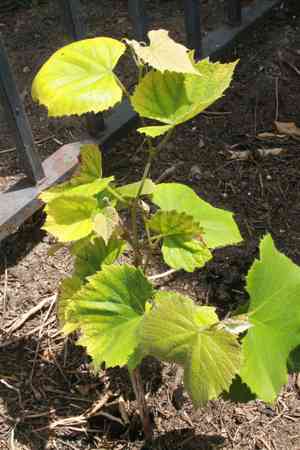
Amur grapes flourish in bright sunlight, needing a minimum of six hours of sun each day.
2
Inadequate light exposure can hinder the development of Amur grapes and postpone fruiting.
3
Excessive direct sunlight may cause leaf scorching and desiccation in Amur grape vines.
What Light Levels Does Amur Grape Require?
Ideal Light Conditions
The Amur grape is a heliophilous plant that flourishes in full sun. Ideally, it should receive at least 6 hours of direct sunlight each day. In areas with milder summers, it can even tolerate slightly more sun, benefiting from the extra light for lush foliage and abundant fruit production.
Impact of Insufficient Light
Without adequate sunlight, the Amur grape can struggle considerably. Insufficient sun exposure can lead to stunted development, poor blooming, and delayed fruit yield. The plant may appear spindly and weak, stretching for any available light. To prevent these issues, ensure your Amur grape is situated where it can enjoy uninterrupted sunlight for a significant portion of the day.
Indicators of Excessive Light
While the Amur grape thrives in sunlight, too much direct sun, especially in extremely hot climates, can cause leaf scorching and dehydration. Look for signs such as burned leaf edges, wilting, or a faded appearance. If you observe these symptoms, consider providing some afternoon shade to protect your plant or use other methods to lessen the intense sunlight.
Optimal Practices for Providing Sunlight to Amur Grape
Choosing the Correct Location
Selecting the appropriate site for your Amur grape is vital. Opt for a spot that receives full sun, ideally on the southern or western side of your garden. Ensure there's no significant shading from nearby buildings, trees, or other structures. Positioning your plant correctly from the outset will promote robust growth and a plentiful harvest.
Seasonal Light Adjustments
As the seasons change, the angle and intensity of sunlight may vary. In spring and summer, the Amur grape can take advantage of extended daylight hours. However, during fall and winter, with shorter days and lower sun angles, you might need to adjust its placement slightly or consider supplementary lighting to maintain its growth and vigor.
Utilizing Artificial Illumination
In cases where natural sunlight is inadequate, especially during the colder months or in indoor settings, artificial lighting can be a viable option. Use grow lights that mimic the spectrum of natural sunlight, positioned about 30 cm (12 inches) above the plant. Ensure the lights are on for 10 to 12 hours daily. This practice will help your Amur grape receive the necessary light for photosynthesis and development, even when natural light is scarce.
How to Safeguard Amur Grape from Sun-Related Stress?
Shading Solutions
To protect your Amur grape from excessive sunlight, particularly during peak afternoon hours, using shade cloths or planting companion plants that can provide dappled shade is beneficial. These methods help to diffuse the intense sunlight, reducing the risk of leaf burn and dehydration while still allowing sufficient light for photosynthesis.
Monitoring Plant Condition
Regularly observe the health of your Amur grape to ensure it isn't suffering from sun stress. Check for signs like drooping leaves, discolored foliage, or slow development. By keeping an eye on these indicators, you can take timely action to adjust the sunlight exposure or provide additional care, ensuring the plant remains healthy and productive throughout its growing season.
Optimal Irrigation Techniques
Proper watering is crucial in managing sun-related stress. Ensure that your Amur grape receives sufficient water, particularly during hot, sunny days. Water deeply but less frequently to encourage strong root growth. Using mulch around the base of the plant can help retain moisture and keep the roots cool, balancing the plant's hydration needs with the intense sunlight.



