How Much Sunlight Do Chinese chaste tree Need?
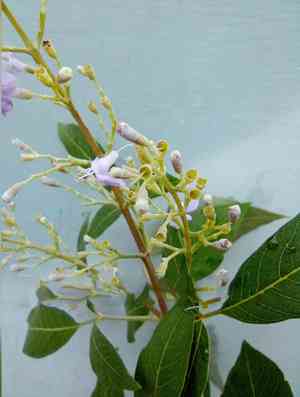
1
The Chinese chaste tree flourishes optimally with ample sunlight, requiring a minimum of six hours of direct sun daily.
2
While it favors full sun, the Chinese chaste tree can also endure some shade, demonstrating its considerable adaptability to various settings.
3
Observe your Chinese chaste tree for indications of excessive or insufficient sunlight to preserve its well-being and vigor.
Optimal Light Conditions for Chinese Chaste Tree
Full Sun Requirements
The Chinese chaste tree thrives in full sun, necessitating at least six hours of direct sunlight daily. This resilient plant, originating from tropical and subtropical regions, depends on ample light for its beautiful, fragrant blooms and dense foliage. Ensuring sufficient bright sunlight will foster robust growth and prolific flowering.
Partial Shade Adaptability
While peak growth occurs in full sun, the Chinese chaste tree is versatile and can tolerate partial shade. This means it can still develop well with some direct sunlight interspersed with shaded periods, typically around three to six hours of sun each day. However, be aware that excessive shade may result in fewer blossoms and less vigorous development.
Seasonal Light Variations
Sunlight exposure can change considerably throughout the year, affecting your Chinese chaste tree. During summer, the sun is strongest, offering ideal conditions for your tree to absorb necessary light. Conversely, winter brings shorter days and weaker sunlight. To help your tree flourish year-round, it's crucial to monitor light exposure and make adjustments as seasons shift.
Positioning Your Chinese Chaste Tree for Best Sunlight
Prime Garden Locations
When selecting a garden spot for your Chinese chaste tree, seek an area where it can receive abundant sunlight, ideally for a minimum of six hours daily. A south-facing location is often most suitable, as it will get the maximum sun exposure. Ensure ample space for the tree to grow without being overshadowed by larger plants or structures.
Indoor Cultivation Adjustments
If cultivating your Chinese chaste tree indoors, aim to place it near a south-facing window to maximize light exposure. You can also utilize artificial grow lights to supplement natural light, ensuring your tree receives the required six hours of brightness. Position grow lights approximately 30-60 cm (12-24 inches) above the plant, with a timer set for adequate daily light duration.
Employing Reflective Surfaces
To enhance the amount of sunlight your Chinese chaste tree receives, especially in areas with limited direct light, consider using reflective materials. Placing mirrors or white, reflective surfaces around the plant can help redirect additional light onto it, improving its growth environment. This is particularly beneficial for indoor settings or shaded garden spots.
Common Issues Related to Light Exposure
Indicators of Excessive Sunlight
Too much sunlight can cause sunburn on your Chinese chaste tree, evidenced by scorched or browned leaves, and ultimately, stressed growth. If these signs appear, consider providing some afternoon shade, particularly during the hottest parts of the day, to shield your tree from overexposure.
Indicators of Insufficient Sunlight
Conversely, inadequate sunlight can lead to leggy growth, sparse foliage, and a lack of blooms in your Chinese chaste tree. If you observe elongated stems and reduced leaf production, your tree might need more sunlight. Moving it to a brighter location or increasing light exposure will help restore its vitality.
Resolving Sunlight Problems
To fix sunlight-related issues, first determine if your Chinese chaste tree is getting too much or too little light. If the problem is excessive sunlight, provide partial shade using a garden umbrella or move the plant to a spot with gentler light. For insufficient sunlight, relocate the tree to a sunnier area or use supplementary grow lights. Consistent observation and prompt adjustments can ensure your tree remains healthy and vibrant.



