How Much Sunlight Do Johnny jump up Need?
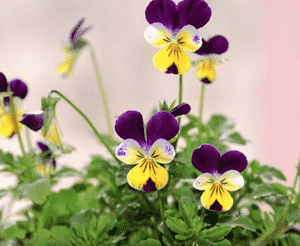
1
Johnny jump ups flourish in bright light, requiring a minimum of six hours of direct sun each day.
2
Offering some shade can be beneficial during warm summer afternoons to avoid drooping.
3
Observe your plants frequently to modify their light exposure based on seasonal shifts.
Optimal Light Requirements for Johnny Jump-Ups
Full Sun vs. Partial Shade
Johnny jump-ups, these vibrant small blossoms, exhibit considerable adaptability. They flourish best in full sun, meaning they should ideally receive over six hours of direct sunlight daily. Full sun encourages abundant flowering and vigorous development. However, they can also endure partial shade, particularly in regions experiencing very hot summers. Providing some afternoon shade can help prevent wilting and scorching of their delicate petals.
Understanding Light Intensity
Not all sunlight possesses equal strength. For Johnny jump-ups, comprehending the intensity of light they receive is vital. Morning light is typically cooler and less harsh, making it perfect for these flowers. Conversely, afternoon sunlight can be significantly more intense. If you reside in a particularly sunny area, monitor light intensity, ensuring your plants first get gentle morning rays and, if needed, some shaded protection in the afternoon.
Seasonal Light Fluctuations
Sunlight availability shifts with the seasons, and your plant care routine should adapt accordingly. During spring and fall, when the sun isn't overly harsh, full sun exposure is generally advantageous for Johnny jump-ups. During the height of summer, however, consider offering partial shade to prevent stress and dehydration. In winter, especially in colder climates, ensure your plants receive as much light as possible, potentially positioning them near south-facing windows if cultivated indoors.
Monitoring Light Exposure for Johnny Jump-Ups
Utilizing a Light Meter
A light meter is a practical device that can help ensure your Johnny jump-ups receive the ideal amount of sunlight. These instruments measure light intensity in foot-candles or lux. For optimal results, position the light meter at plant level at various times throughout the day. Aim for 6,000 to 10,000 lux, which aligns well with their full sun needs. Regular checks can help you make prompt adjustments if necessary.
Indicators of Insufficient Light
It's crucial to recognize the signs when Johnny jump-ups aren't getting enough sunlight. Look for leggy growth, where stems become elongated with sparse foliage. Another sign is fewer and smaller flowers, indicating the plant is struggling. Yellowing leaves can also suggest your plants aren't receiving adequate light. If you observe these symptoms, gradually increase their light exposure.
Indicators of Excessive Light
Too much sunlight, especially under intense conditions, can also harm Johnny jump-ups. Watch for scorched or crispy leaf edges, which signify sunburn. Wilting during the hot midday sun is another sign of overexposure. If you notice these issues, consider providing some form of shade during peak sunlight hours or moving the plants to a location with dappled light.
Adjusting Light Exposure for Johnny Jump-Ups
Seasonal Adjustments
As the seasons change, so should your approach to light exposure. In spring and fall, aim to provide maximum sunlight, adjusting only if temperatures rise sharply. During summer, particularly in late June and July when the sun is strongest, provide additional shade using cloths or strategically placed plants. Winter months often mean lower light levels, so consider using grow lights if cultivating Johnny jump-ups indoors.
Employing Shade Cloths
Shade cloths can be useful for moderating sunlight exposure for Johnny jump-ups. These materials are available in various densities, typically blocking 30% to 50% of sunlight. Place them over your plants during the hottest parts of the day. Choose a lightweight but durable fabric that allows sufficient air circulation to prevent overheating and ensure your plants remain comfortable.
Repositioning Pots and Planters
One benefit of growing Johnny jump-ups in pots and planters is the ability to move them as needed. If you notice excessive sunlight or insufficient exposure, you can easily relocate them to a more suitable position. During summer, consider moving them to a partially shaded area in the afternoon. In winter, bring pots indoors near a sunny window to maximize their light intake.
Selecting the Right Location for Johnny Jump-Ups
Ideal Garden Spots
When planting Johnny jump-ups in your garden, choose a location that receives ample morning sunlight and some afternoon shade. Flower beds along the eastern side of your home or garden are often perfect. These areas can provide full morning sun while offering some relief later in the day. Ensure good airflow to reduce humidity issues and promote healthier plants.
Balconies and Windowsills
Johnny jump-ups also thrive in containers on balconies and windowsills. Select sunny spots, preferably those facing east or west to get balanced sunlight throughout the day. Ensure containers have proper drainage to prevent waterlogged roots, and during hot summer days, offer some shade using outdoor blinds or umbrellas.
Indoor Cultivation Conditions
If you prefer indoor gardening, Johnny jump-ups can also adapt to indoor conditions if given adequate light. Place them near south-facing windows where they can receive sufficient sunlight. If natural light is limited, supplementing with grow lights can be beneficial. Maintain a consistent indoor temperature, ideally between 15-21°C (60-70°F), to mimic their preferred growing environment.



