How Much Sunlight Do Marsh violet Need?
1
Marsh violets thrive in filtered light, similar to their native forest and wetland habitats.
2
More than six hours of direct sun exposure can harm Marsh violets.
3
A light meter assists in fine-tuning the indoor light levels for your Marsh violet.
Understanding Marsh violet Illumination Needs
Native Environment and Light Situations
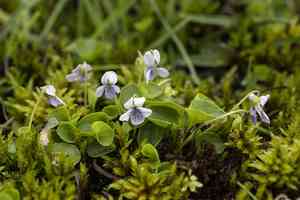
The Marsh violet (Viola palustris) naturally flourishes in damp, shaded locales like marshes, moist woodlands, and boggy terrains. These settings offer filtered light, meaning the Marsh violet gets diffused sunlight through tree canopies and surrounding flora. Grasping this natural preference aids in establishing optimal light conditions for your Marsh violet, both indoors and out. They thrive with indirect sunlight, avoiding harsh direct rays.
Optimal Light Intensity for Development
For robust growth, the Marsh violet prefers bright, indirect illumination. A spot where it can receive filtered sunlight for approximately 4-6 hours daily is perfect. If cultivating it indoors, positioning the plant near a north-facing window is often effective, as this provides gentle morning light without the afternoon sun's intensity. Outdoors, consider planting it beneath partial shade from taller plants or trees to mimic its native habitat.
Consequences of Excessive Sunlight for Marsh violet
Indicators of Sunburn or Overexposure
Exposure to too much direct sunlight can cause scorching in Marsh violets. Signs of sunburn include seared or bleached foliage, brown leaf tips, and general discoloration. These symptoms indicate the plant is struggling with excessive light, necessitating immediate corrective action.
Preventative Measures and Solutions
To prevent scorching, avoid placing your Marsh violet in areas with direct sunlight for prolonged periods. If your plant exhibits signs of overexposure, relocate it to a shadier spot immediately. Employing sheer curtains to diffuse strong indoor light or arranging for natural outdoor shading are effective tactics. Additionally, providing ample water can help alleviate stress from too much sunlight.
Consequences of Insufficient Sunlight for Marsh violet
Signs of Inadequate Light
Insufficient light can impede the growth of Marsh violets. Indicators include elongated stems, smaller leaves, and a lack of blooms. The plant may also appear pale or stunted. These signs point to a need for increased illumination to foster healthy development.
Adjusting Lighting Conditions
To rectify inadequate light conditions, reposition your Marsh violet to receive more bright, indirect light. If natural light is scarce, particularly during colder months, consider utilizing grow lights. Position the grow lights about 30-60 cm (12-24 inches) above the plant and set them on a timer to ensure the plant receives sufficient light exposure for at least 6 hours daily.
How to Replicate Ideal Sunlight Conditions Indoors?
Utilizing Grow Lamps
Grow lamps are an excellent solution for supplying adequate light to indoor Marsh violets. LED grow lights are energy-efficient and can be tailored to emit the light spectrum plants require for photosynthesis. Position the grow light 30-60 cm (12-24 inches) above the plant and use a timer to ensure consistent light exposure, ideally around 6 hours daily.
Placement of Marsh violet for Optimal Illumination
Place your Marsh violet near a bright window that receives morning light, such as a north or east-facing window. Avoid areas with intense, direct afternoon sun. If using grow lights, ensure they are positioned directly above the plant to simulate natural overhead sunlight.
Common Sunlight-Related Errors for Marsh violet
Excessive Direct Sun Exposure
A frequent error is exposing Marsh violets to too much direct sunlight. This can lead to sunburn, leaf damage, and overall plant stress. Always ensure that the sunlight is filtered or indirect to safeguard the plant.
Ignoring Natural Light Fluctuations
Another common mistake is failing to account for seasonal variations in light. The quantity and intensity of natural light can change significantly throughout the year. Be proactive in adjusting your Marsh violet's placement to ensure it maintains optimal lighting conditions year-round.



