How Much Sunlight Do Common periwinkle Need?
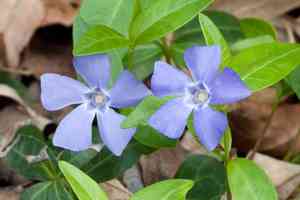
1
Common periwinkle flourishes optimally in filtered light, receiving approximately 3-6 hours of sun exposure.
2
This adaptable plant can endure both complete sun and total shade, yet it favors a partially shaded environment.
3
Variations in seasons can considerably affect the light requirements and vitality of your Common periwinkle.
Optimal Illumination for Vinca minor
Partial Shade Preference
Vinca minor thrives best with approximately 3-6 hours of daily sun exposure. This moderate light allows the plant sufficient brightness without overexposure. It performs exceptionally well in filtered light, often found beneath tree canopies or in garden areas not receiving constant direct sun. Under these conditions, its leaves retain their vibrant green, and the plant exhibits vigorous growth with abundant blooms.
Full Sun Tolerance
While Vinca minor favors partial shade, it is a resilient plant capable of enduring full sun. However, if situated in full sun, ensure adequate hydration to prevent rapid soil drying. Monitor for stress indicators like wilting or scorched leaf edges, and adjust as needed. Full sun can also promote more profuse flowering, though some foliage protection might be necessary in extremely hot climates.
Understanding Light Intensity and Duration
Direct Sunlight Hours
For peak development, Vinca minor should receive about 3-6 hours of direct sunlight daily. This light level provides ample energy for photosynthesis without subjecting it to excessive heat, which can be detrimental. Morning sun is generally ideal, offering necessary rays without the harshness of afternoon intensity.
Seasonal Light Fluctuations
Vinca minor's light requirements can change with the seasons. In winter, with shorter daylight, the plant naturally gets less light, which is typically not an issue as its activity decreases. During spring and summer, when days are longer, positioning the plant for optimal light becomes more crucial. This prevents scorching during the intense peak sunlight hours of mid-summer.
Impacts of Insufficient or Excessive Light on Vinca minor
Signs of Inadequate Sunlight
If your Vinca minor lacks sufficient sunlight, you might observe it becoming leggy, with elongated stems and fewer leaves. Foliage may appear pale or yellowish, indicating insufficient chlorophyll production. Flowering could also be reduced or absent. To remedy this, try moving the plant to a brighter location or pruning nearby plants that cast shadows.
Consequences of Overexposure to Sunlight
Conversely, too much sunlight can cause Vinca minor leaves to scorch, displaying brown tips or edges. The plant may also wilt frequently despite regular watering, as excessive sun increases water evaporation from both the soil and the plant. If these signs appear, consider providing temporary shade during peak sun hours, especially on hot summer days, or relocating the plant to a slightly shadier spot.
Optimizing Light in Various Settings
Indoor Cultivation Tips
Growing Vinca minor indoors is entirely feasible with proper conditions. Position the plant near a window receiving morning sun but shielded from harsh afternoon rays. An east-facing window usually works best. If natural light is insufficient, consider supplementing with a grow light. Ensure the plant is not too close to heating vents or AC units, as these can create dry, stressful environments.
Outdoor Landscaping Recommendations
In outdoor environments, Vinca minor can serve various purposes, from ground cover to decorative borders. Select a location offering partial shade, such as beneath larger shrubs or trees. If planting in a sunnier area, apply mulch around the plant's base to help retain soil moisture and protect roots from overheating. Consistent watering, particularly during dry spells, will help maintain plant health.
Frequently Asked Questions
Can Vinca minor Thrive in Full Shade?
Yes, Vinca minor can grow in full shade, though its flowering may be less abundant. The foliage will remain lush, making it an excellent ground cover for shaded garden spots where other plants might struggle. Full shade can also help the plant maintain consistent moisture levels, reducing the need for frequent watering.
What Are the Best Planting Locations for Vinca minor?
The most suitable locations for planting Vinca minor are those providing partial shade with filtered sunlight. It can be planted under trees, along shaded garden paths, or in areas where it can spread freely as a ground cover. Beyond light, ensure the soil is well-draining to prevent waterlogging, which can harm the plant.



