How Much Sunlight Do Japanese snowball Need?
1
Japanese snowball flourishes optimally in locations providing more than 6 hours of daily sun exposure.
2
This plant can endure some shade, but morning sun is preferable.
3
Excessive direct sun exposure may occasionally lead to leaf burn on Japanese snowball.
Optimal Light Conditions for Japanese Snowball
Full Sun vs. Partial Shade Exposure
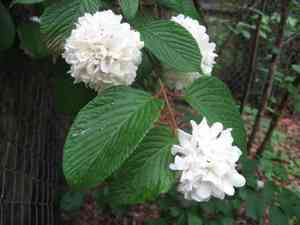
The Japanese snowball flourishes in full sun, meaning it receives 6 to 8 hours of direct sunlight daily. This exposure ensures the plant's impressive bloom reaches its peak, showcasing its iconic large, white, snowball-like flowers. However, it can also endure partial shade, which typically involves 3 to 4 hours of morning sun with some protection from intense afternoon rays. While not ideal for maximum flowering, partial shade can make the plant more manageable in very hot climates.
Ideal Hours of Direct Light
For the Japanese snowball, a general guideline is to provide at least 6 hours of direct sunlight each day. This can be achieved by planting it in a location that captures early morning rays, which are usually gentler and less likely to cause leaf burn. Ensuring the plant gets its sunlight during the cooler parts of the day significantly contributes to its overall health and vigor.
Seasonal Light Fluctuations
It's vital to recognize that sunlight availability changes with the seasons. During spring and early summer, with longer days, the Japanese snowball blooms beautifully under the increased light. Conversely, in autumn and winter, shorter days and lower sun angles reduce direct sunlight. During these periods, it's crucial to monitor your plant to ensure it isn't excessively shaded by other structures or vegetation. Consider pruning nearby trees or shrubs if they start casting too much shade on your Japanese snowball.
Advice for Ensuring Proper Light for Japanese Snowball
Selecting the Correct Planting Site
Choosing the perfect spot for your Japanese snowball is crucial for its development. Seek out an area in your garden that receives ample morning sunlight. Avoid locations near tall buildings or trees that might cast a prolonged shadow over the plant. Ideally, plant your Japanese snowball on the eastern side of your yard to ensure it gets sufficient morning sun while being shielded from the more intense afternoon rays.
Utilizing Reflective Ground Cover
Reflective mulch can be an excellent method to ensure your Japanese snowball receives the necessary sunlight. These mulches bounce sunlight back onto the plant's lower foliage, ensuring even those parts get adequate light. This not only helps maximize sunlight but also aids in maintaining soil moisture levels, which can further benefit the plant's health.
Adapting for Indoor Cultivation
If you plan to grow a Japanese snowball indoors, proper sunlight becomes even more critical. Position the plant near a south-facing window to maximize light exposure. Consider supplemental lighting options like grow lights during the shorter winter days. These lights can help replicate the natural sunlight spectrum, ensuring your plant continues to thrive regardless of the season.
Common Light-Related Issues and Solutions for Japanese Snowball
What to Do if Your Japanese Snowball Receives Excessive Sun?
Too much direct sunlight can lead to leaf scorch, where leaves get burned or turn brown at the edges. If you observe these signs, consider moving your plant to a location with afternoon shade or installing a garden fabric to filter intense rays. Regular watering can also help alleviate the negative effects of too much sun.
How to Recognize Signs of Insufficient Light
Identifying inadequate sunlight can be challenging but essential for your plant's well-being. Indicators include leggy growth, where branches stretch unnaturally towards the light, or a lack of flowering. If you notice these symptoms, try relocating your Japanese snowball to a sunnier spot in your garden. Sometimes, simply trimming away nearby branches or shrubs that block sunlight can make a significant difference.
Frequently Asked Questions About Japanese Snowball Light Needs
Can Japanese Snowball Thrive in Full Shade?
The Japanese snowball is not suitable for full shade conditions. While it can tolerate partial shade, a lack of sufficient sunlight can severely hinder its growth and blooming potential. If your garden is mostly shaded, consider a different plant species better suited for such environments.
Does Japanese Snowball Require Special Light in Winter?
During winter, the Japanese snowball will naturally receive less sunlight. While it doesn't demand special light, you should aim to ensure it still gets as much light as possible. Prevent snow or debris from covering the lower parts of the plant and, if indoors, consider using artificial grow lights to supplement natural light.



