How Much Sunlight Do Sweet viburnum Need?
1
Sweet viburnum flourishes with direct sunlight for more than six hours daily.
2
It can endure some shade, though this might impact bloom production.
3
Locations facing east and south are perfect for maximum sun exposure.
Optimal Light Conditions for Sweet viburnum
Full Sun vs. Partial Shade for Sweet viburnum
Regarding light, Sweet viburnum thrives in ample sunshine, ideally over six hours daily. This means full sun, which generally implies direct solar exposure for most of the day, is perfect. However, this adaptable plant can also endure partial shade. Partial shade signifies the plant receives about 3-6 hours of sun, with direct sunlight blocked at various times. Note that while Sweet viburnum can survive in partial shade, it might lead to less vigorous blooming and reduced growth. If your garden only offers partial shade, ensure it still gets good morning sun.
Ideal Orientation for Planting Sweet viburnum
Selecting the correct site for your Sweet viburnum is vital for its development and overall health. The best planting orientations are south or east-facing spots. These positions guarantee the plant gets the most sunlight throughout the day, especially the gentle morning sun, which is less harsh and offers significant growth advantages. West-facing locations can also work, but be wary of the intense afternoon sun, which might be too severe.
Adjusting Sweet viburnum to Varying Light Levels
Progressive Sunlight Acclimation
If you're moving your Sweet viburnum from a shaded area to a brighter location, it's crucial to introduce sunlight gradually. Sudden exposure to strong sun can shock the plant, causing leaf scorch or stunted development. Begin by slowly increasing its daily sun exposure by an hour or two each day until it has fully adapted to its new environment. This slow adjustment will help the plant cope with increased light without stress.
Addressing Excessive Shading
Too much shade can result in unhealthy Sweet viburnum plants. If your plant isn't getting enough light, consider trimming nearby vegetation to allow more light to penetrate. Relocating the plant to a more suitable sunny spot is also an option if feasible. Remember, insufficient light can lead to leggy growth, sparse foliage, and a significant impact on flowering.
Indicators Your Sweet viburnum Is Receiving Adequate Light
Healthy Leaf Color and Development
Observing leaf color and overall growth can indicate if your Sweet viburnum is getting the right amount of light. Healthy leaves should be a vibrant green and appear full and shiny. Additionally, the plant should show consistent growth with new leaves and branches, signaling balanced light exposure. If leaves turn yellow or brown, it could suggest either too much or too little light.
Flowering Patterns in Sweet viburnum
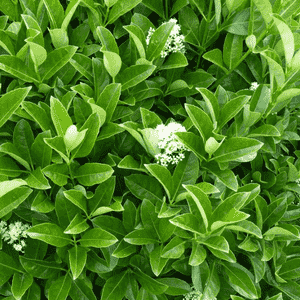
A rewarding sign that your Sweet viburnum is receiving sufficient light is a robust flowering pattern. This plant typically produces clusters of small, fragrant white blossoms. Consistent and abundant flowering indicates a well-lit environment. Conversely, poor flowering or a lack of blooms suggests the plant might not be getting enough light.
Common Light-Related Problems for Sweet viburnum
Sunburn: Symptoms and Remedies
Sunburn is a frequent issue for Sweet viburnum exposed to intense, direct sunlight without proper acclimation. Symptoms include bleached or scorched leaves, usually starting at the tips. To prevent this, ensure gradual sun exposure, especially when moving the plant from a shady spot. Providing some temporary shade during the hottest parts of the day can also be beneficial.
Impaired Growth Due to Insufficient Light
Inadequate light can lead to stunted growth for your Sweet viburnum. Signs include thin, elongated branches and pale, underdeveloped leaves. The plant may also produce fewer flowers. To correct this, try to increase the plant's light exposure by pruning nearby plants or moving it to a sunnier location if possible.
FAQs on Sweet viburnum and Light
Can Sweet viburnum Flourish in Full Shade?
Sweet viburnum can survive in full shade, but it won't reach its full potential. In full shade, the plant is likely to have less dense foliage, reduced blooming, and potentially weaker structural integrity. Partial shade with morning sunlight is more suitable for moderate growth.
What Is the Best Time of Day for Sweet viburnum to Get Light?
The best time for Sweet viburnum to receive light is during the morning hours. Morning sun is less intense than afternoon sun and provides ample radiation without the risk of heat stress. Aim for your plant to get plenty of morning light, ensuring healthy, lush growth.



