How Much Sunlight Do Koreanspice viburnum Need?
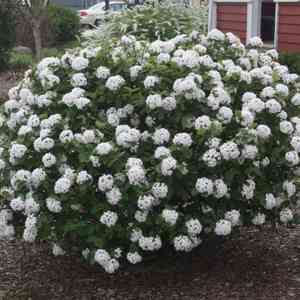
1
Koreanspice viburnum flourishes optimally with a minimum of 6 hours of direct sun each day.
2
Excessive direct sun in the afternoon may lead to leaf burn on Koreanspice viburnum.
3
Adapting sunlight exposure seasonally is vital for healthy development and blooming.
Optimal Light Conditions for Koreanspice viburnum
Full Sun vs. Partial Shade
Koreanspice viburnum is a adaptable and robust plant that thrives across various light exposures. For peak development and vibrant flowers, aim to position it where it gets direct sunlight for over 6 hours daily. While it tolerates partial shade, receiving under 6 hours of sun, full sun is better for a stronger plant and more abundant blooms. Partial shade can result in fewer flowers and slower development.
Morning Light Preferences
Morning light is especially advantageous for Koreanspice viburnum. This type of illumination is less intense and aids in drying dew from leaves, lowering the likelihood of fungal diseases. Orienting the plant eastward to capture the gentle morning rays can promote healthy growth and reduce disease risk.
Afternoon Light Tolerance
Afternoon light tends to be more intense and can potentially harm Koreanspice viburnum. Although the plant can withstand some afternoon sun, excessive exposure might lead to leaf burn and wilting. If you reside in a particularly hot climate, consider placing the plant where it receives filtered or partial shade during the harshest afternoon hours.
Adjusting to Different Light Levels
Indicators of Excessive Sun Exposure
Overexposure to sunlight can manifest in Koreanspice viburnum through several symptoms. Look for signs such as yellowing or browning leaves, leaf scorch, or a shriveled appearance. If these signs appear, it's time to re-evaluate the plant's sun exposure and potentially move it to a less intense environment.
Addressing Insufficient Light
Lack of adequate sunlight can also cause issues. When Koreanspice viburnum doesn't receive enough light, it may appear leggy, with elongated stems and fewer flowers. In such instances, try moving the plant to a brighter spot or trimming nearby plants to increase light exposure.
Modifying Plant Placement
Finding the ideal light balance for your Koreanspice viburnum may require some experimentation. Begin by observing current light conditions and the plant's reaction. Adjust its position gradually, ensuring it gets sufficient light without being exposed to excessive heat. A mobile container can be very useful for these adjustments.
Seasonal Light Considerations
Spring and Summer Light Requirements
During spring and summer, Koreanspice viburnum needs ample sunlight to fuel its growth and the production of its fragrant blooms. Full sun exposure is vital during these seasons to enhance flowering and ensure vigorous plants. Be mindful of watering needs, as increased sunlight can heighten the plant's water requirements.
Fall and Winter Light Adjustments
As seasons shift to fall and winter, sunlight intensity and duration decrease. While Koreanspice viburnum is quite resilient, ensuring it receives as much available light as possible can help maintain its health. Trim back any overhanging branches that might block light in the winter months. Protecting the plant from harsh winter winds is also advisable.
Maximizing Light Absorption for Koreanspice viburnum
Pruning for Enhanced Light Penetration
Regular pruning of Koreanspice viburnum can help it absorb sunlight more effectively. Removing dead or excessive branches ensures that light reaches all parts of the plant. Pruning should be done carefully, typically during dormancy, to encourage vigorous growth and flowering in spring.
Utilizing Reflective Mulches
Reflective mulches can be a great tool to enhance sunlight absorption. These mulches redirect sunlight towards the underside of the plant and other shaded areas. Using light-colored, reflective mulch can stimulate better growth and improve the overall health of Koreanspice viburnum.
Strategic Planting Locations
Choosing the right spot within your garden is crucial. Locations near reflective surfaces like light-colored walls, or spots that receive gentle morning sun and partial afternoon shade, provide an optimal environment. Always consider the plant's light needs when planning your garden layout for the best results.



