How Much Sunlight Do Mapleleaf viburnum Need?
1
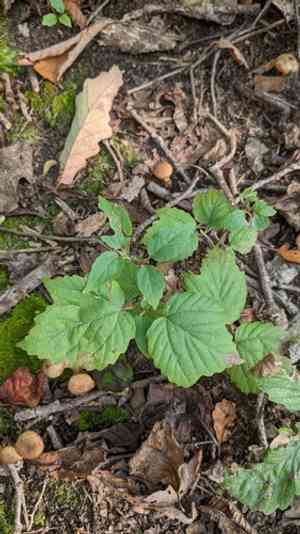
Mapleleaf viburnum flourishes optimally in partial shade, receiving 3-6 hours of sun each day.
2
Excessive sun exposure may result in leaf burn and impede the plant's development.
3
Inadequate light causes elongated stems and sparse blooms in Mapleleaf viburnum.
Optimal Light Conditions for Mapleleaf viburnum
Partial Shade
The Mapleleaf viburnum thrives in partial shade, meaning it should receive roughly 3-6 hours of sun daily. This light level promotes robust foliage and encourages proper blooming while preventing the detrimental effects of excessive sun exposure.
Filtered Sunlight
Filtered sunlight, where light penetrates through tree canopies, is another ideal setting for Mapleleaf viburnum. This environment mimics the plantâs natural habitat, providing the perfect balance of light and shade. Filtered sunlight prevents scorching while ensuring ample light for healthy development.
Consequences of Excessive Sun for Mapleleaf viburnum
Leaf Burn
Exposing the Mapleleaf viburnum to too much direct sunlight can result in leaf burn. This condition manifests as browning or yellowing leaf edges and tips, indicating the plant is suffering from intense solar radiation. To prevent this, ensure the plant is situated where it gets relief from the strong midday sun.
Growth Inhibition
Beyond leaf burn, excessive sun can also lead to growth inhibition in Mapleleaf viburnum. When the plant receives more sunlight than it can tolerate, it may redirect its energy to self-protection from sun damage instead of growing and developing. Providing a balanced amount of sunlight helps maintain its consistent growth and overall vitality.
Indicators of Insufficient Sunlight for Mapleleaf viburnum
Stretched Growth
Inadequate sunlight often causes stretched growth in the Mapleleaf viburnum. This means the plant grows tall and thin, reaching out for more light. This condition weakens the plant's structure, making it more vulnerable to damage and less visually appealing.
Poor Bloom Production
A lack of sufficient sunlight can also lead to poor bloom production in Mapleleaf viburnum. When the plant doesnât receive enough light, it may produce fewer flowers, or the blooms may be smaller and less vibrant. Ensuring the plant gets ample sunlight is crucial for enjoying its beautiful, abundant flowers.
Strategies to Optimize Sunlight Exposure for Mapleleaf viburnum
Strategic Placement
Placing Mapleleaf viburnum in the correct spot is vital for optimizing its sunlight exposure. Select an area where the plant can receive partial shade or filtered sunlight throughout the day. If planting in a garden with varied light conditions, position the viburnum beneath taller trees or shrubs that can provide dappled sunlight.
Companion Planting
Companion planting is another effective method for managing sunlight exposure. Plant the Mapleleaf viburnum alongside other plants that can offer it shade during the hottest parts of the day. For instance, planting it near larger, sun-tolerant plants can create a beneficial microenvironment where the viburnum receives adequate light while being shielded from excessive sun.
Seasonal Light Adjustments for Mapleleaf viburnum
Spring and Summer Needs
During spring and summer, when the sun is stronger and days are longer, monitoring the sunlight exposure of Mapleleaf viburnum is important. Ensure it remains in partial shade to protect it from the intense midday sun. If necessary, consider using shade cloth or temporarily moving the plant to a less sunny location.
Fall and Winter Considerations
In fall and winter, the sunâs intensity diminishes, and days shorten, so the Mapleleaf viburnum may benefit from more direct sunlight. During these seasons, you can remove any artificial shading or adjust the plantâs position to ensure it receives enough light to support its dormancy and healthy transition into active growth periods.



