How Much Sunlight Do Spiked speedwell Need?
1
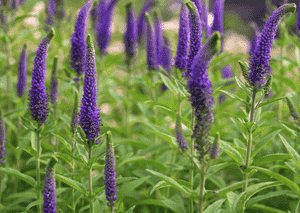
Spiked speedwell flourishes optimally in locations receiving more than 6 hours of direct sun daily.
2
It can endure some shade, particularly in warmer climates, to avoid leaf burn.
3
Inadequate light exposure may result in sparse flowering or discolored leaves in Spiked speedwell.
Required Sun Exposure for Spiked Speedwell
Optimal Sunlight Needs
Spiked speedwell thrives with more than six hours of direct sun daily. Full sun conditions are vital for vigorous development and abundant flowering. These circumstances promote strong stems and vivid, numerous blooms, characteristic of a healthy Spiked speedwell. In cooler regions, full sun ensures peak potential, while in warmer areas, some afternoon shade may prevent leaf burn.
Partial Shade Adaptability
While Spiked speedwell performs best in full sun, it can endure partial shade, especially during hot afternoon hours in warmer climates. Partial shade doesn't yield the same prolific flowering but can help avoid issues like leaf scorch and wilting during intense summer heat. If your garden has filtered light or areas shaded part of the day, Spiked speedwell can still grow, though possibly with fewer blossoms.
Ideal Planting Sites for Spiked Speedwell
Selecting a Garden Spot
Choosing the correct garden location is critical for Spiked speedwell. Seek areas that provide at least six hours of direct sunlight. South-facing gardens, where sunlight is most abundant, are ideal. Ensure the chosen site also has well-draining soil, as Spiked speedwell prefers soil that doesn't remain waterlogged. Raised garden beds or naturally sloped areas can aid proper drainage.
Neighboring Plant Considerations
When planning Spiked speedwell's placement, consider nearby plants. Avoid planting it beneath tall trees or large shrubs that might cast extensive shade and compete for nutrients and water. Instead, pair Spiked speedwell with other sun-loving perennials that flourish in similar conditions. Companion plants like lavender or coreopsis can create a harmonious garden while ensuring each plant receives adequate sunlight without being overshadowed.
Impacts of Excessive or Insufficient Sunlight
Signs of Overexposure
Too much sunlight, particularly in extremely hot climates, can cause leaf scorch in Spiked speedwell. Indicators of overexposure include browning leaf edges, wilting during the day's hottest periods, and stunted growth. Consistent observation during peak summer months is crucial. If these signs appear, consider providing afternoon shade or increasing watering to alleviate plant stress.
Symptoms of Inadequate Sunlight
Conversely, insufficient sunlight can also impede Spiked speedwell's growth. Symptoms include elongated stems, sparse flowering, and yellowing leaves. These signs suggest the plant is reaching for light but not receiving enough intensity for optimal development. If your Spiked speedwell shows these symptoms, it's advisable to relocate it to a sunnier garden spot to ensure it gets the necessary light to thrive.
Modifying Sunlight Exposure for Spiked Speedwell
Utilizing Shade Cloths
Shade cloths can be an effective method for managing sun exposure, especially during the hottest summer periods. These coverings can be draped over plants to lessen the sun's intensity. Choose cloths that offer 30-50% shade to ensure your Spiked speedwell still gets enough light while being protected from harsh, direct midday sun. This can help prevent leaf burn and reduce plant stress during heatwaves.
Strategic Pruning Techniques
Thoughtful pruning of surrounding plants can also help regulate sunlight exposure for your Spiked speedwell. Trim back any overhanging branches or foliage from adjacent plants that cast unwanted shade. This ensures your Spiked speedwell receives the optimal amount of sunlight. Additionally, regular pruning of the Spiked speedwell itself can promote better air circulation and light penetration throughout the plant, leading to healthier, more vigorous growth.



