How Much Sunlight Do Large-flowered bellwort Need?
1
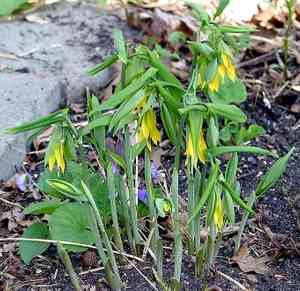
Large-flowered bellwort thrives in partial shade, receiving under 3 hours of direct sun each day.
2
Protect your Large-flowered bellwort from intense afternoon sun to avoid burning its leaves.
3
Best location: morning light and afternoon obscurity.
Optimal Light Conditions for Large-flowered bellwort
Partial Shade Preference
Large-flowered bellwort flourishes best in environments with partial shade. In its natural habitat, this plant is frequently found in shaded forest areas, indicating its preference for filtered light over direct exposure. For cultivators, this means positioning your Large-flowered bellwort where it gets less than 3 hours of direct sun daily, primarily during the early part of the day.
Morning Sunlight Advantages
Gentle morning sunlight benefits the Large-flowered bellwort. Exposure to early morning rays (before 10 AM) aids in fostering robust growth and blooming without the harsh effects that midday and afternoon sun can cause. This morning light dries leaf dew, preventing fungal issues and supplying vital energy for photosynthesis.
Afternoon Shade Necessity
As the day progresses, the sun's intensity rises, potentially scorching the delicate foliage of the Large-flowered bellwort. Shielding your plant from intense afternoon sunlight by placing it under a tree canopy or using shade cloths is essential. Afternoon shade not only guards the plant from harm but also helps retain soil moisture, benefiting overall plant vitality.
How to Determine Ideal Sunlight for Large-flowered bellwort
Indicators of Insufficient Sunlight
When Large-flowered bellwort lacks adequate sunlight, it may show slower development, pale or yellowing leaves, and fewer blooms. The plant can also become elongated, stretching towards light sources. Ensuring it receives the correct amount of morning light can resolve these problems.
Indicators of Excessive Sunlight
Conversely, if your Large-flowered bellwort receives too much sunlight, you might observe scorched or brown leaves, especially at the edges, and wilting despite consistent watering. Intense midday sun is typically the cause. Moving the plant to a more shaded location or providing extra shade can alleviate these issues.
Adjusting Sunlight Exposure for Large-flowered bellwort
Utilizing Shade Cloths
Shade cloths are an excellent method to manage sunlight exposure for your Large-flowered bellwort. These fabrics can filter harmful rays and lessen heat stress. Using a cloth with a 30-50% shade rating will protect the plant without blocking all light.
Strategic Plant Placement
To optimize sunlight exposure, position your Large-flowered bellwort in spots where it can receive morning sunlight and afternoon shade. This could be beneath taller trees or next to structures that offer natural shading. Adjust the location as needed throughout the seasons to maintain optimal light.
Impact of Seasonal Sunlight Changes on Large-flowered bellwort
Spring and Summer Requirements
During spring and summer, when sunlight is more intense and days are longer, it's crucial to ensure your Large-flowered bellwort is well-shaded in the afternoons. Proper hydration and mulching can also help the plant through hot periods, maintaining soil moisture and reducing temperature stress.
Fall and Winter Adaptations
In fall and winter, sunlight intensity decreases, making it less probable for the Large-flowered bellwort to suffer from heat stress. However, ensure it still gets sufficient morning light. As trees lose leaves, natural shading may diminish, so adjustments in plant placement or temporary shading solutions might be necessary.



