How Much Sunlight Do Heartleaf nettle Need?
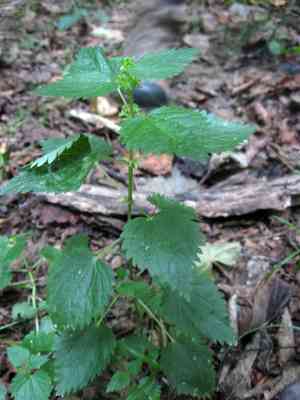
1
Heartleaf nettle flourishes with over six hours of direct sun each day.
2
Too much sun can cause yellowing foliage and scorched spots.
3
Providing some shade during peak heat can help avoid harm.
Optimal Light Conditions for Heartleaf Nettle
Direct Sun vs. Filtered Light
For your Heartleaf nettle, grasping the distinction between direct sun and filtered light is vital. It thrives in full sun, meaning over six hours of direct sunlight daily. However, it can endure partial shade, particularly in very hot regions where intense midday sun might be too harsh. Placing it where it gets morning sun and light afternoon shade is an excellent strategy for robust growth while preventing extreme heat damage.
Effects of Excessive Light Exposure
Too much light can harm your Heartleaf nettle. While it enjoys ample sun, overexposure can lead to scorched leaves, typically appearing as white or pale beige spots, indicating distress. Furthermore, excessive sun combined with insufficient water can cause wilting and increased vulnerability to pests. Therefore, maintaining balance and monitoring the plant, especially in summer, is crucial.
Indicators of Insufficient Light
Conversely, inadequate light can also pose problems. Look for signs like stretched stems and smaller, duller leaves. The plant may appear to stretch toward a light source, signaling it's not getting enough. For prime development, regularly observe your Heartleaf nettle and adjust its position to ensure it receives adequate illumination.
Seasonal Light Requirements
Spring and Summer Demands
During spring and summer, your Heartleaf nettle enters its active growth phase, needing abundant light. Aim for full sun in these seasons to fuel its development and vibrant foliage. This period allows the plant to benefit most from extended sunlight, promoting stronger, healthier growth.
Autumn and Winter Adjustments
As days shorten in autumn and winter, your Heartleaf nettle will require less intense light. While still needing illumination, its strength should be reduced. Relocating the plant to a brighter indoor spot or ensuring it gets morning sun outdoors can help maintain its health without cold damage. During these seasons, growth slows, and it benefits from gentler light exposure.
Optimizing Placement for Light
Indoor vs. Outdoor Positioning
Deciding whether to place your Heartleaf nettle indoors or outdoors significantly impacts its light exposure. Outdoors, ensure a spot with morning sun and partial afternoon shade. Indoors, position it near a south-facing window for maximum light. Remember, closer proximity to natural light sources promotes better health.
Understanding Local Climates
Microclimates, or specific environmental conditions in small areas, are crucial. Your garden might have a sunny, wind-sheltered corner or a shaded spot under a large tree. Utilizing these variations can provide optimal conditions for your Heartleaf nettle. Assess the specific conditions of different areas in your garden or home to find the perfect location for your plant.
Utilizing Supplemental Light Sources
When natural light is insufficient, especially in winter, artificial light can be an excellent alternative. Full-spectrum LED grow lights are ideal as they mimic natural sunlight. Position these lights approximately 12-18 inches (30-45 cm) above the plant for 16-18 hours daily. This ensures your Heartleaf nettle continues healthy growth even with limited natural light.
Addressing Common Light-Related Issues
Yellowing Leaves and Their Causes
Yellow leaves on your Heartleaf nettle typically signal stress, often from excessive light. This might indicate scorching, requiring relocation to a less intense light area. Yellowing can also stem from underwatering or nutrient deficiencies, so ensure comprehensive care.
Restricted Growth from Light Deficiency
Insufficient light can lead to stunted growth. If your Heartleaf nettle appears smaller than usual with elongated stems, it's likely not receiving enough light. Gradually move the plant to a brighter location, being careful not to shock it with an abrupt environmental change.
Managing Sun-Damaged Leaves
Sun-damaged leaves appear as white or beige patches and can be quite harmful. To prevent this, gradually introduce your Heartleaf nettle to more sunlight or provide afternoon shade during peak sun intensity. If damage occurs, remove affected leaves to encourage new, healthy growth.



