How Much Sunlight Do Wych elm Need?
1
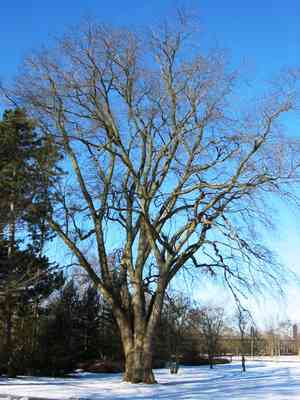
Wych elm flourishes in bright sun, requiring a minimum of 6 hours of direct light each day.
2
While this tree tolerates some shade, it grows best in brightly illuminated settings.
3
Observing the condition of its leaves helps determine if your Wych elm gets adequate sunlight.
Ideal Light Conditions for Wych Elm
Full Sun Requirements
The Wych elm is a heliophilic tree that thrives under direct sunlight. This means it prefers to receive a minimum of 6 hours of sun daily. Providing ample sunlight not only encourages quicker development but also boosts the tree's overall vitality and disease resistance. When selecting a planting location, ensure it's clear of large impediments like structures or taller trees that could block the sun.
Partial Shade Adaptability
While the Wych elm flourishes in full sun, it is quite flexible and can endure partial shade. If you reside in an area with buildings or other trees that cast shadows over your garden, don't fret. The Wych elm can still grow healthily with 3-6 hours of direct sunlight, though its growth rate might be slower, and you may observe less dense foliage compared to those planted in full sun.
Seasonal Light Fluctuations
It's also vital to grasp how seasonal shifts affect light exposure. In summer, with longer days, the Wych elm receives abundant sunlight for sustained development. As we transition to autumn and winter, days shorten, potentially reducing available sunlight. This decrease can slow growth and lead to a dormant phase, which is entirely normal for the Wych elm. Adapting care routines in response to these changes is crucial for maintaining a healthy tree year-round.
Recognizing Wych Elm's Light Needs
Indicators of Excessive Sunlight
While you might assume more sun is always beneficial, too much exposure can cause issues. Watch for signs such as leaf scorch, where leaves turn brown, become brittle, or develop sunburned patches. This typically occurs during intense summer heatwaves. Consistent observation during such periods can help you detect these signs early and take corrective measures, like temporary shading or increased irrigation.
Indicators of Insufficient Sunlight
Conversely, inadequate sunlight can also negatively impact a Wych elm. Symptoms include elongated stems, sparse foliage, and a generally weaker appearance compared to those receiving sufficient sun. The leaves may also lighten to a paler green. If you notice these signs, consider moving young trees to a brighter spot or pruning nearby plants that might be blocking light.
Modifying Sunlight Exposure
Pruning for Light Penetration
Pruning is a key practice for ensuring your Wych elm gets enough light. Regularly removing dead or overgrown branches can open up the canopy, allowing more light to reach the inner leaves. This not only improves light exposure but also enhances air circulation, reducing the risk of fungal infections.
Utilizing Shade Cloth or Barriers
During periods of extreme sunlight, using shade cloth or other barriers can help safeguard your Wych elm. These simple additions can protect the tree from harsh solar radiation, thereby preventing leaf scorch and moisture loss. Choose a cloth with a light transmission rate suitable for your local climate and secure it effectively around the tree without hindering growth.
Supplementary Care Advice for Wych Elm
Watering Practices in Varying Light Conditions
Watering requirements can differ based on the amount of sunlight your Wych elm receives. In full sun, consistent watering is essential as the soil tends to dry out faster. Ensure the tree gets water deeply but infrequently to encourage root development. In partial shade, the evaporation rate is lower, so you might need to adjust by watering less often. Always check soil moisture by digging a small hole near the base to ensure it's not too dry or waterlogged.
Soil and Nutrient Management
Optimal sunlight works best when combined with good soil and nutrients. Ensure your Wych elm is planted in well-draining soil rich in organic matter. Regularly feeding the tree with balanced fertilizers, especially during the growing season, can complement its sunlight needs, ensuring robust growth and health.



