How Much Sunlight Do Graceful cattail Need?
1
Graceful cattail flourishes optimally in bright, direct sunlight, requiring more than six hours each day.
2
Although Graceful cattail can endure some shade, extended periods with inadequate light may hinder its development.
3
Sufficient light exposure is crucial for the blooming and general well-being of Graceful cattail specimens.
Understanding the Light Requirements of Graceful cattail
Natural Habitat and Sun Exposure
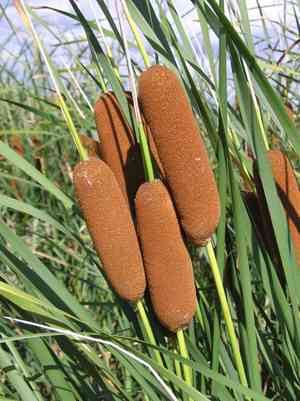
The Graceful cattail is typically found in wetlands and marshes, environments known for their abundant sunlight. In its native environment, this plant thrives in full sun, soaking up the brightness throughout the day. Such conditions are crucial for its development and reproduction, providing ample energy for photosynthesis and enabling the growth of its distinctive, tall, and slender flowering spikes.
Full Sun: Benefits for Graceful cattail Growth
Full sun, which means six or more hours of direct sunlight daily, is optimal for Graceful cattail. This exposure ensures the plant develops robust stems, lush foliage, and vibrant blooms. Full sun also aids in preventing fungal diseases by keeping the plant dry and warm. Furthermore, full sun conditions enhance its photosynthesis process, ensuring the plant has sufficient energy to flourish.
Partial Shade: Effects on Plant Health
Graceful cattail can indeed survive in partial shade, defined as 3-6 hours of direct sunlight per day. However, prolonged periods in shaded conditions can lead to several issues. The plant might exhibit slower development, fewer flowers, and generally weaker stems. Moreover, a lack of adequate sunlight may increase susceptibility to pests and diseases, impacting the plant's overall well-being.
How to Provide Optimal Sunlight for Graceful cattail
Choosing the Best Location: Indoor vs Outdoor
When selecting the placement for your Graceful cattail, outdoors is generally the superior choice. Pick a spot where the plant will receive full sun for most of the day. If you must grow it indoors, position it near a bright, south-facing window. Remember, natural light is always preferable to artificial illumination for this sun-loving plant.
Seasonal Adjustments: Summer and Winter Care
During summer, ensure your Graceful cattail gets ample sunlight by placing it in the sunniest part of your garden or home. Monitor its watering needs as sun exposure and heat can cause the soil to dry out more quickly. In winter, while the plant may not grow as vigorously, it's important to still provide as much light as possible. Moving it to a location with maximum sunlight or ensuring it receives indirect light from winter sun can help maintain its health.
Common Sunlight Problems and Solutions for Graceful cattail
Identifying Sunburn: Signs and Remedies
While Graceful cattail loves sunlight, excessive intense sun, especially during peak summer hours, can cause sunburn. Look for signs like browning leaf tips and scorched spots. If you notice these symptoms, consider providing temporary shade during the hottest part of the day using a shade cloth or relocating the plant to a slightly shadier spot.
Dealing with Insufficient Light: Symptoms and Fixes
Insufficient light will manifest as slow growth, pale leaves, and sparse flowering. To remedy this, gradually move your Graceful cattail to a sunnier location. If indoors, using artificial grow lights can supplement natural light. Ensure the plant receives at least 6 hours of bright, indirect sunlight each day to promote healthy growth.



