How Much Sunlight Do Eastern gamagrass Need?
1
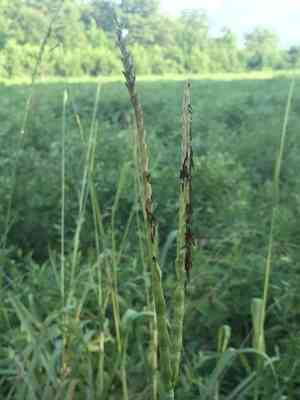
Eastern gamagrass flourishes optimally with ample sun exposure, needing a minimum of 6 hours of direct light each day.
2
This hardy grass is also capable of enduring some shade, allowing it to suit diverse environments.
3
Adequate light is essential for the best development and energy production in Eastern gamagrass.
Grasping Sunlight Requirements for Eastern Gamagrass
The Importance of Sunlight for Eastern Gamagrass
Sunlight is vital for the well-being and development of Eastern gamagrass. This warm-season perennial thrives with ample light, fostering lush, vibrant growth. Sunlight is key for various plant processes, including nutrient uptake and water regulation. Without enough sun, Eastern gamagrass may weaken, becoming more prone to diseases and pests.
Photosynthesis and Growth in Eastern Gamagrass
Photosynthesis is how plants convert solar energy. For Eastern gamagrass, this process is crucial for survival and growth. By absorbing light through its leaves, the grass transforms carbon dioxide and water into sugars and oxygen, fueling its development. Sufficient sunlight ensures efficient photosynthesis, providing the energy needed to flourish. Insufficient light can cause stunted growth and poor health.
Ideal Sunlight Conditions for Eastern Gamagrass
Full Sun vs. Partial Shade: Best Practices
Eastern gamagrass performs best in full sun, requiring at least 6 hours of direct sunlight daily. This exposure allows for complete photosynthesis, leading to robust growth. While it can endure partial shade, prolonged shaded conditions are not optimal. Partial sunlight can slow growth, but the grass is adaptable and can manage less-than-perfect conditions if needed.
Seasonal Changes and Sunlight Exposure
Throughout the year, sunlight availability fluctuates. During summer, with longer, more intense days, Eastern gamagrass typically experiences prime growing conditions. However, in shorter winter days, sunlight diminishes. It's important to monitor the plant's light exposure seasonally and adjust care to maintain its health year-round.
Tips for Maximizing Sunlight for Eastern Gamagrass
Selecting the Right Planting Spot
When planting Eastern gamagrass, choosing an appropriate location is essential. Look for garden areas that receive full sunlight for most of the day. Avoid placing the grass in heavily shaded spots from trees or structures. A well-lit, open area will provide the necessary sunlight for optimal growth.
Utilizing Reflective Mulch or Ground Covers
Reflective mulch or ground covers can help maximize sunlight for Eastern gamagrass. These materials bounce sunlight onto the plant, increasing its light exposure. This method is especially useful where direct sunlight is inconsistent. By using reflective surfaces around the plant, you can boost its light absorption and encourage healthier growth.
Pruning Nearby Plants to Reduce Shading
Pruning is another effective way to increase sunlight exposure for Eastern gamagrass. Trimming back overhanging branches or nearby shrubs that cast shadows will allow more light to reach the plant. Regularly maintain surrounding vegetation to ensure Eastern gamagrass gets the sunlight it needs. This is crucial in dense areas where light competition can be high.
Common Sunlight Issues for Eastern Gamagrass
Identifying Signs of Inadequate Sunlight
Insufficient sunlight can cause several symptoms in Eastern gamagrass, including yellowing leaves, slow growth, and reduced vigor. The grass may appear thin and weak, indicating it's not getting enough energy from the sun. If these signs appear, it's vital to increase the plant's light exposure, perhaps by relocating it or removing nearby obstructions.
Managing Excessive Sun Exposure
While Eastern gamagrass thrives in full sun, too much exposure can sometimes cause problems. Overexposure to intense sunlight, especially during extreme summer heat, can scorch the leaves. In such cases, providing temporary shade during peak sun hours can protect the grass. Proper hydration will also help mitigate the effects of excessive sun.
Solutions for Balancing Sunlight Needs
Balancing sunlight for Eastern gamagrass requires consistent monitoring and adjustments. Assess the plant's location and make necessary changes to ensure adequate sunlight without overexposure. Use tools like reflective mulch and strategic pruning to improve light access. By understanding and addressing the specific light requirements of Eastern gamagrass, you can maintain a healthy, flourishing plant.



