How Much Sunlight Do Silver inch plant Need?
1
The Silver inch plant flourishes optimally with approximately 3 to 6 hours of daily sun exposure.
2
Silver inch plants are able to withstand both complete shade and direct sunlight, demonstrating their flexibility across different light environments.
3
Employing transparent drapes can assist in regulating sun intensity and averting foliage scorching.
Why Illumination is Essential for Silver Inch Plant Health
Energy Production and Development
Sunlight acts as the primary power source for photosynthesis, the biochemical process where vegetation transforms light into usable energy. For the Silver inch plant, ample solar exposure ensures effective photosynthesis, fostering robust development and vivid foliage. Without sufficient illumination, the plant may exhibit elongated, weak stems and struggle to generate the necessary energy for thriving.
Light's Influence on Leaf Pigmentation
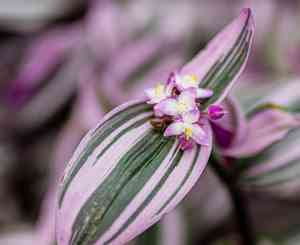
A distinguishing characteristic of the Silver inch plant is its strikingly colored leaves, which can display shades ranging from green and silver to purple and red. The brightness and quality of light significantly affect these hues. Bright, diffused sunlight helps sustain vibrant tones, whereas inadequate light can lead to the leaves losing their intensity and becoming dull.
Optimal Light Requirements for Silver Inch Plant
Ideal Lighting Environments
The Silver inch plant thrives in partial sun, equating to approximately 3-6 hours of daily sunlight. Morning sun is particularly advantageous due to its lower intensity compared to afternoon exposure. Nevertheless, the plant is quite adaptable and can flourish in deep shade or full sun, making it a versatile option for diverse indoor and outdoor settings.
Signs of Insufficient Light
When the Silver inch plant does not receive adequate illumination, you might observe the following indicators:Leaves becoming pale or losing their vibrant colorationStretched growth with extended, widely spaced stemsReduced overall growth rateYellowing leaves that may eventually drop off
Signs of Overexposure to Light
Too much sunlight can also be harmful to the Silver inch plant. Some symptoms to watch for include:Leaves developing brown or scorched patchesFading of the leaf colorsCrisp or dehydrated leaf edgesWilting despite appropriate hydration
Prime Locations for Your Silver Inch Plant
Indoor Placement Advice
Indoors, the Silver inch plant flourishes when positioned near east or west-facing windows, where it can receive bright, indirect illumination. Avoid placing the plant too close to south-facing windows, as the intense afternoon sun may result in leaf scorching. If natural light is limited, consider employing grow lights to supplement the plant's light requirements.
Outdoor Placement Considerations
When cultivated outdoors, the Silver inch plant benefits from a location that receives filtered sunlight, such as beneath a tree canopy or on a shaded patio. If planted in full sun, ensure it is gradually acclimatized to the increased light intensity to prevent shock and burning. The plant can also be brought indoors during colder months to protect it from frost.
Modifying Sunlight Exposure for Silver Inch Plant
Utilizing Sheer Window Coverings
To regulate sunlight exposure, especially in rooms with strong light, use sheer curtains or blinds. These aids scatter the light, lessening its intensity and preventing potential leaf damage while still allowing the plant to receive its essential illumination.
Relocating for Seasonal Changes
As seasons shift, the available indoor sunlight can vary. In winter, light may be less intense and direct, so moving the Silver inch plant closer to a light source can help sustain its growth. Conversely, during summer, you might need to reposition the plant to a more shaded area to prevent excessive sun exposure.



