How Much Sunlight Do Virginia spiderwort Need?
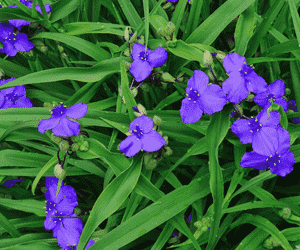
1
Virginia spiderwort flourishes optimally with partial sunlight, receiving approximately 3-6 hours of sun each day.
2
While it can endure full sun exposure, excessive direct light may lead to scorched foliage.
3
Relocating the plant according to the season can assist in preserving ideal light circumstances.
Grasping Virginia spiderwort Illumination Needs
Ideal Light Conditions for Robust Development
For Virginia spiderwort care, ensuring proper light is vital for its health and vibrant look. This plant thrives in partial sun, needing around 3-6 hours of daily sunlight. This enables efficient photosynthesis, producing essential growth nutrients. Placing it where it gets morning sun and afternoon shade prevents overexposure and leaf damage.
Impact of Varying Light Levels on Virginia spiderwort
Virginia spiderwort adapts to different light, but each scenario affects its growth uniquely. In full sun, it may flower more but risks leaf burn if exposed too long. Partial shade offers a balanced setting, preventing harm while fostering healthy foliage. In full shade, it might survive but could develop elongated stems and sparse blooms, indicating insufficient light for optimal growth.
Choosing a Location for Virginia spiderwort
Indoor vs. Outdoor Placement Considerations
Deciding whether to cultivate Virginia spiderwort indoors or out depends on your climate and home setting. Outdoors, an ideal spot receives morning sun and afternoon shade. Indoors, position it near a southeast-facing window for ample morning light, avoiding harsh afternoon rays. This balance keeps the plant vibrant and healthy year-round.
Identifying the Best Garden Spot
Selecting the perfect garden spot for Virginia spiderwort involves several factors. Aim for an area with 3-6 hours of morning sun, shielded from intense afternoon sun. Garden beds with taller plants offering dappled shade can create an ideal microclimate. Also, ensure the soil drains well to support healthy root development, as crucial as proper light.
Seasonal Light Fluctuations for Virginia spiderwort
Adjusting to Seasonal Light Changes
Virginia spiderwort requires varied care as seasons shift. Spring and summer are generally easier due to ideal natural light. However, in autumn and winter, with less intense, shorter daylight, you might need to reposition it for maximum light. Moving potted Virginia spiderwort indoors or under grow lights can mimic needed sunlight during darker months.
Managing Light in Diverse Climates
In different climates, you may need to modify your Virginia spiderwort care. In cooler regions, ensure maximum sunlight, possibly moving them indoors in colder months. In warmer climates, providing shade during the hottest part of the day is crucial to prevent scorching. Always observe your plant's reaction and adjust its placement to maintain healthy growth and appearance.
Common Sunlight Issues and Their Solutions
Indicators of Excessive Sunlight
Too much sun can cause several problems for Virginia spiderwort. Symptoms include scorched or brown-edged leaves, wilting despite adequate water, and faded flower colors. If these signs appear, gradually move your plant to a shadier spot or use a protective shade cloth during peak sunlight hours to lessen the effects.
Indicators of Insufficient Sunlight
A lack of sunlight can also negatively impact your Virginia spiderwort. Look for signs like elongated stems, sparse leaves, and fewer or smaller flowers. The plant may also appear paler due to inadequate light for proper photosynthesis. If these symptoms are present, move the plant to a brighter location with 3-6 hours of direct sunlight daily to improve its health and vigor.
Modifying Light Exposure
Balancing light exposure is vital for a healthy Virginia spiderwort. If your plant shows signs of too much or too little light, make gradual adjustments to prevent shock. Slowly increasing or decreasing its sun exposure over a week helps the plant adapt more comfortably. Regularly monitor its progress and be ready to reposition it as needed, especially with changing seasons.
Frequently Asked Questions Regarding Virginia spiderwort and Sunlight
Can Virginia spiderwort Thrive in Full Shade?
While Virginia spiderwort can survive in full shade, it's not optimal for its growth. Full shade environments can lead to leggy plants with fewer blooms. For best results, aim for partial sun with 3-6 hours of direct sunlight daily. If full shade is your only option, supplement with artificial lighting to ensure the plant gets the necessary light for healthy growth.
How Does Morning vs. Afternoon Sun Affect Virginia spiderwort?
Morning sunlight is generally gentler and more beneficial for Virginia spiderwort, promoting healthy growth without scorching risks. Afternoon sun, conversely, can be too intense and may cause leaf burn. Therefore, it's best to place the plant where it receives morning sunshine and afternoon shade, ensuring optimal light without harmful effects.
How to Provide Sufficient Indoor Light?
If growing Virginia spiderwort indoors, position it near a bright window, ideally one facing southeast. This will provide the morning light it needs. During shorter or darker days, consider using grow lights to supplement natural sunlight, ensuring the plant still gets 3-6 hours of light daily. Regularly check light intensity to prevent overexposure and ensure a balanced growth environment.



