How Much Sunlight Do Asiatic jasmine Need?
1
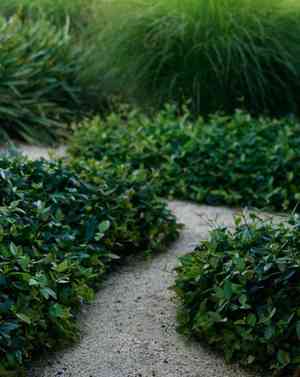
Asiatic jasmine flourishes optimally with 3-6 hours of sun each day.
2
This adaptable plant withstands both complete sun and deep shade environments.
3
Modifying sun exposure according to the time of year can improve plant vitality.
Asiatic Jasmine Light Needs Explained
Optimal Light Conditions for Asiatic Jasmine
Regarding light, Asiatic jasmine thrives with balanced exposure. Ideally, it prospers with partial sun, meaning roughly 3-6 hours of daily sunlight. This light level aids the plant in efficient photosynthesis, fostering robust growth and vibrant foliage. While adaptable to various light, providing adequate sunlight is key for prime development.
Partial Shade Versus Full Sun for Asiatic Jasmine
A frequent query is whether Asiatic jasmine performs better in partial shade or full sun. The truth is, it tolerates both. However, partial shade is generally more advantageous as it shields the plant from intense midday sun, which can sometimes cause scorching. In milder climates, full sun exposure is also acceptable and can yield lush growth. Consistent observation will help determine the best conditions for your specific setting.
Impact of Insufficient Light on Asiatic Jasmine
Indicators of Low Light Levels
If your Asiatic jasmine isn't getting enough sunlight, you'll observe clear signs. Leaves might become pale or yellow, and growth could appear leggy and sparse. These symptoms indicate a need for more light. If unaddressed, prolonged low light can weaken the plant's overall health, making it more vulnerable to diseases and pests.
Strategies to Enhance Light Exposure
Improving your Asiatic jasmine's light exposure is often simple. If outdoors, consider moving it to a sunnier spot or pruning any overhanging branches blocking light. For indoor plants, positioning them closer to a window receiving ample sunlight or using supplemental grow lights can make a significant difference. Remember, gradual light changes help the plant adapt better without shock.
Impact of Excessive Sunlight on Asiatic Jasmine
Signs of Sunburn and Overexposure
Similar to humans, plants can suffer from too much sun. Asiatic jasmine exposed to excessive sunlight may show sunburn, including brown, crispy leaf edges, and bleached or scorched foliage. These signs indicate the plant is stressed by intense light and potentially heat.
Preventing Sun Damage
To protect your Asiatic jasmine from sun damage, consider creating a shaded environment during the day's hottest hours. Using garden shade cloths, strategic planting under taller shrubs or trees, or mulching around the base to retain moisture can significantly lower sunburn risk. Ensuring the plant is well-watered, especially during heatwaves, will also help it manage higher light levels.
Seasonal Sunlight Adjustments for Asiatic Jasmine
Summer Sunlight Modifications
In summer, the sun is strongest, and so are your Asiatic jasmine's demands. Providing partial shade during the hottest hours (typically noon to 3 PM) will help maintain plant health. Increasing watering frequency to offset faster evaporation is also wise. Mulching around the plant will aid in retaining soil moisture, offering a buffer against summer heat.
Winter Sunlight Modifications
During winter, days are shorter, and light intensity diminishes. To ensure your Asiatic jasmine receives adequate light, consider placing it where it captures the most daylight. For outdoor plants, ensuring they aren't shaded by deciduous trees that lose leaves can help maximize available sunlight. If grown indoors, positioning the plant near south-facing windows might be the best option to capture the limited winter sun.
Can Asiatic Jasmine Thrive Indoors?
Indoor Lighting Requirements
Asiatic jasmine can indeed flourish indoors with the right conditions. It needs bright, indirect light to grow well. Placing it near a window with filtered sunlight or using fluorescent grow lights can create an ideal environment. It's crucial to avoid placing the plant where it might be exposed to direct midday sun through glass, as this can cause leaf burn.
Optimal Indoor Locations
The best spots for indoor Asiatic jasmine are typically rooms with large, east-facing windows offering gentle morning light or south-facing windows providing bright but indirect sunlight. Areas like sunrooms, enclosed patios, or bright kitchens often provide the perfect balance of light and warmth needed for the plant's growth. Regular rotation will help ensure even light exposure and symmetrical development.



