How Much Sunlight Do California nutmeg Need?
1
California nutmeg flourishes optimally with ample sunlight, needing more than six hours of direct sun each day.
2
This tree is capable of enduring partial sun, allowing it some flexibility with light exposure.
3
Observing the tree's leaves can provide clear indications regarding insufficient or excessive sun exposure.
Grasping California nutmeg's Light Needs
Natural Environment and Light Levels
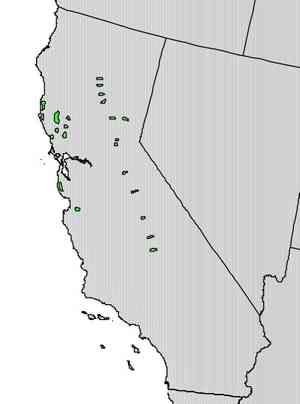
The California nutmeg originates from the western U.S., particularly California. In its natural setting, it frequently grows in mixed woodlands, experiencing varied sun exposure. However, it predominantly flourishes in areas with ample direct sunlight. These bright conditions are vital for its development and longevity, mirroring its native thriving environment.
Optimal Light for Development
To maintain your California nutmeg in peak condition, aim for complete sun exposure. This means the tree should receive a minimum of 6 hours of direct sunlight daily. This amount of light supports vigorous growth and helps preserve its impressive foliage. While partial sun (approximately 3-6 hours of direct light) is tolerated, maximizing its exposure is best to ensure it reaches its full growth potential.
Indicators of Excessive or Insufficient Light
Observing your California nutmeg can offer clues about its light intake. If the leaves show signs of browning or scorching, it might be getting too much direct sun. Conversely, if the tree's development appears hindered or the leaves look pale and sparse, it could indicate insufficient light. Adjusting the plant's position or surrounding conditions can often resolve these problems.
Providing Optimal Sunlight for California nutmeg
Selecting the Appropriate Site
Choosing the best location for your California nutmeg is essential. Ideally, plant it where it can absorb abundant direct sunlight â gardens and open landscapes are suitable. Avoid placing it near large structures or trees that could block light. Also, consider seasonal shifts in sun angles; a south-facing spot often provides the best year-round illumination.
Seasonal Light Adjustments
As seasons change, so do the intensity and angle of sunlight. In summer, the sun is higher, providing more intense and longer light periods. In winter, the sun is lower, offering shorter periods of direct light. Be mindful of these changes and, if needed, reposition potted California nutmegs to ensure adequate winter sunlight. For in-ground trees, consider supplementary artificial lighting in extreme cases.
Utilizing Shade to Regulate Light Exposure
While the California nutmeg loves sun, it may occasionally require protection from overexposure. Employing shade cloths during peak summer months can prevent leaf scorch and sunburn. If planted near taller plants or structures, ensure they provide filtered light rather than complete darkness. These measures help moderate conditions and maintain balance to prevent stress on your tree.
Common Sunlight Issues for California nutmeg
Sunburn and Leaf Scorch
Sunburn and leaf scorch are typical indicators that your California nutmeg is receiving too much sunlight. Symptoms include browning leaves, crispy leaf edges, and general wilting. To prevent these, offer occasional shade during the hottest parts of the day, especially if your tree is young or newly planted and not yet fully accustomed to intense sunlight.
Stunted Growth from Inadequate Light
Without sufficient sunlight, your California nutmeg might display inhibited growth, characterized by shorter branches and smaller leaves. This usually signifies that the plant is not photosynthesizing effectively. Ensure the tree receives at least the minimum light required to promote healthy development.
Monitoring and Adapting to Changes
Regularly observing your California nutmeg is crucial for identifying and addressing any light-related problems. Check the tree's condition and growth patterns every few weeks. If you notice any changes in foliage or growth that might suggest light issues, act promptly. Adjust its exposure by trimming nearby plants, relocating potted trees, or using reflective surfaces to enhance light availability.



