How Much Sunlight Do Tipu tree Need?
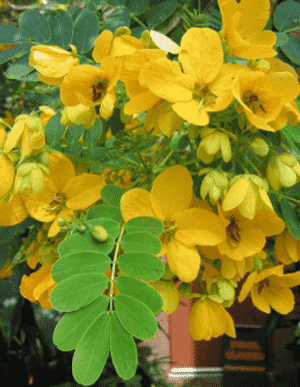
1
Tipu trees flourish optimally in bright light, needing a minimum of 6 hours of direct sun each day.
2
Some shade can be advantageous during the peak heat of the day, particularly in areas experiencing intense summers.
3
Insufficient sunlight can impede your Tipu tree's development and negatively impact its general well-being.
What Light Conditions Does the Tipu Tree Require?
Abundant Sun Exposure
The Tipu tree thrives in abundant sun exposure. This means the tree needs at least six hours of direct sunlight daily. Such conditions are optimal for its development and general well-being, as ample sunlight supports photosynthesis, leading to stronger limbs, more vibrant foliage, and a prolific flowering period. If your garden or yard has a spot that receives extended periods of sunlight, consider planting your Tipu tree there to maximize its potential.
Partial Shading
While abundant sun is ideal, Tipu trees can also endure partial shading, particularly in regions where summer sun can be quite intense. Partial shade implies the tree will receive a mix of direct sunlight and some shade throughout the day. This balance can help prevent leaf scorch and rapid soil drying. For instance, in the southwestern United States, providing some afternoon shade could safeguard your Tipu tree from the harsh midday heat.
Ensuring Optimal Light for Your Tipu Tree
Selecting the Appropriate Site
Choosing the correct site for your Tipu tree is essential for guaranteeing it receives the ideal amount of sunlight. Seek a spot in your yard not overshadowed by taller structures or other large trees that might block light. Consider the tree's mature dimensions, as it can grow quite large and may eventually cast its own shadow. When planting, ensure there's sufficient room for the canopy to expand without being constrained by other elements.
Seasonal Light Fluctuations
Be mindful of how the sun's angle and intensity shift with the seasons. In summer, the sun is higher and days are longer, providing more intense and prolonged light. Conversely, in winter, the sun is lower, and days are shorter, resulting in less light. To accommodate these changes, observe where the sun hits your yard throughout the year. This observation will aid in determining the best planting spot and can guide any necessary seasonal adjustments, such as employing grow lights during shorter, colder days.
Consequences of Insufficient Light on Tipu Tree
Indicators of Inadequate Light
A Tipu tree lacking sufficient light will display clear indicators. You might observe a lightening or yellowing of the leaves, less vigorous growth, and fewer blooms during the flowering season. Another sign is the tree leaning towards the light source, attempting to capture more rays. Regularly checking your tree for these symptoms can help you take prompt action to correct any light deficiencies.
Long-Term Growth Impact
If a Tipu tree consistently lacks adequate light, the long-term effects can be severe. The tree may experience stunted development, producing fewer branches and leaves, and its overall health could decline. This weakened state makes the Tipu tree more vulnerable to diseases and pests. The investment in proper light exposure pays off by ensuring robust and healthy growth over the years.
Supplementing Natural Light for Tipu Tree
Artificial Illumination Solutions
If your Tipu tree isnât receiving enough natural light, consider using artificial illumination. Grow lights can be an excellent supplement, offering the necessary light spectrum for photosynthesis. Position the grow lights to mimic natural sunlight, ideally providing around 12-16 hours of light per day, depending on the tree's requirements and current light levels in your space.
When to Utilize Artificial Illumination
Artificial illumination should primarily be employed during the colder months or in locations where natural light is severely restricted. If your area experiences extended cloudy periods or your tree is indoors, artificial lighting could be crucial for maintaining its health. Remember to regularly monitor your Tipu tree's condition and adjust the lighting schedule as needed to ensure it doesnât suffer from too little or too much light.



