How Much Sunlight Do Spanish moss Need?
1
Spanish moss flourishes optimally with approximately 3-6 hours of indirect sunlight daily.
2
It tolerates both direct sun and deep shade, though severe conditions might impact its vitality.
3
Adequate light exposure is vital for the robust development of Spanish moss, particularly in indoor environments.
Deciphering Spanish Moss Illumination Needs
Native Environment and Light Exposure
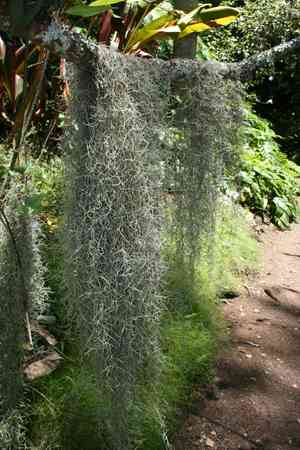
In its natural habitat, Spanish moss typically drapes from trees in the southeastern U.S., particularly in Florida and Louisiana. These locales offer filtered sunlight, as tree canopies diffuse the light. This partial shade mirrors the optimal lighting for Spanish moss to thrive. When cultivating it indoors, aim to replicate this balance of light and shadow.
Indoor vs. Outdoor Lighting Differences
Outdoor lighting conditions are inherently more dynamic than indoor ones. For Spanish moss, external environments can naturally supply all necessary light variations if positioned correctly. Indoors, however, light intensity and duration are frequently controlled, requiring modifications to ensure the plant receives appropriate illumination. A bright room or one near a window with filtered sunlight is ideal.
Identifying Prime Locations for Spanish Moss
Selecting Spots with Ideal Illumination
When locating the perfect spot for your Spanish moss, seek an area where it can get partial sun, roughly 3-6 hours daily. Outdoors, this could involve suspending it from a garden tree branch or a shaded porch. Indoors, consider placing it near an east or west-facing window to receive diffused light without excessive intensity.
Avoiding Direct Solar Exposure
Spanish moss can withstand full sun, but it's not optimal for peak growth. Extended periods of direct sunlight can cause dehydration or scorching of the plant. Ensuring the light is diffused or partially shaded will help maintain the plant's moisture and prevent damage. A sheer curtain or shade device can help moderate direct sunlight if needed.
Indicators of Correct and Incorrect Lighting for Spanish Moss
Signs of Healthy Development
With adequate lighting, Spanish moss will display a greenish-gray hue and appear full and vibrant. Consistent, healthy growth indicates the plant is likely getting sufficient light. You'll also notice its soft, pliable texture and an absence of brittleness or desiccation, signifying it's thriving.
Warning Signs of Excessive or Insufficient Light
Conversely, too much light can make Spanish moss dry and fragile, especially if it's in direct sun for long durations. If it lacks enough light, the plant may become a dull gray or blackish color, and growth could notably slow. Observing these visual cues can help you adjust its placement for improved light exposure.
Adjusting Spanish Moss Light Conditions
Modifying Indoor Light Settings
Indoors, you might need to utilize artificial lighting or reposition the plant throughout the day to provide balanced light exposure. Fluorescent or grow lights can supplement natural light. Carefully observe how Spanish moss responds over several days to confirm these adjustments are beneficial.
Seasonal Shifts and Light Adjustments
Be aware that natural sunlight levels change with the seasons. During winter, Spanish moss may require more exposure to compensate for shorter daylight hours. In summer, ensure it's not getting excessive direct sunlight, which could stress the plant. Adjusting its location or adding shade can help mitigate these seasonal variations.



