How Much Sunlight Do Garden thyme Need?
1
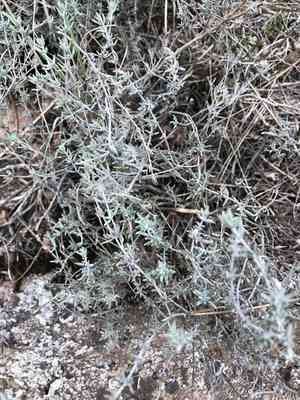
Garden thyme thrives with 6-8 hours of direct sun each day.
2
Optimal Placement: Position your Garden thyme in an indoor spot receiving ample southern exposure.
3
Caution: Discolored foliage may indicate your Garden thyme is receiving excessive light.
Optimal Solar Exposure for Thyme Plants
Requirements for Direct Illumination
For optimal growth, Garden thyme flourishes best with full sun exposure, requiring at least 6 to 8 hours of direct sunlight daily. This intensity promotes vigorous development, enhances leaf flavor, and maintains plant vitality. A garden area receiving abundant sunshine is ideal for planting. Ensure it's not shaded by taller plants or structures to maximize light absorption.
Considerations for Partial Shading
Garden thyme can also endure partial shade, particularly in regions with extremely hot summers. Partial shade implies the plant receives 3 to 6 hours of sun, with the remaining time in filtered light or shadow. While it can survive these conditions, expect less robust growth and potentially less intense leaf flavor compared to full-sun specimens. Partial shade serves as an acceptable compromise if full sun isn't available.
Prime Locations for Cultivating Garden Thyme
Outdoor Cultivation Areas
For outdoor thyme, select a site that receives ample direct light. Suitable spots include elevated garden beds, containers on patios, or sunny borders of your garden. The soil must drain effectively, as thyme dislikes consistently wet roots. A slightly elevated position aids water runoff, supporting healthier plants. Additionally, ensure protection from strong winds, which can rapidly dehydrate the plant.
Indoor Positioning Suggestions
When growing Garden thyme indoors, a bright windowsill is your best option. South-facing windows are perfect due to their prolonged daily sunlight exposure. If a south-facing window isn't accessible, east or west-facing windows can work, though supplemental grow lights might be needed to ensure sufficient illumination. Rotate the pot every few days for even light distribution and to prevent the plant from leaning.
Seasonal Light Fluctuations
Spring and Summer Sun Conditions
During spring and summer, increased sunlight intensity and longer days create optimal growing conditions for Garden thyme. Ensure consistent moisture during these peak growth months, especially for container plants, as pots dry out faster. Regularly check soil dampness and water when the surface layer feels arid.
Fall and Winter Light Adjustments
In fall and winter, sunlight is generally less intense, and days are shorter. If you reside in an area with harsh winters, consider relocating outdoor thyme indoors to prolong its growing period. Place it near a south-facing window. If natural light is insufficient, use grow lights for an extra boost. Adjust watering accordingly, as plants typically require less water in cooler conditions and during slower growth phases.
Indications of Thyme's Sun Needs
Signs of Excessive Sunlight
While thyme typically thrives in sun, too much direct exposure, especially during peak summer, can lead to scorched foliage. Yellowing or browning on leaves may indicate sunburn. Furthermore, the soil can dry out too quickly, causing plant stress. In such instances, provide some afternoon shade or move the plant to a slightly less sunny location.
Symptoms of Insufficient Light
Conversely, inadequate light can result in stretched, leggy growth, making the plant appear sparse and frail. Leaves may also seem dull and less aromatic. If these signs are present, try relocating your thyme to a sunnier spot or use grow lights to supplement natural light, ensuring it receives the necessary 6 to 8 hours for robust health.
Optimizing Sunlight for Robust Thyme Growth
Employing Reflective Surfaces
A technique to enhance sunlight for your indoor Garden thyme involves using reflective materials around the plant. Position mirrors or reflective panels to redirect light onto the plant, thereby increasing its illumination without needing more windows. This is especially useful in areas with limited direct natural light.
Pruning to Improve Light Penetration
Regular trimming of your Garden thyme plants also helps ensure that light reaches all parts, particularly the lower leaves. Prune the plant consistently to encourage bushier growth and prevent it from becoming overly woody or dense. This practice not only improves light access but also promotes healthy new growth and a more abundant plant overall.



