How Much Sunlight Do Japanese thuja Need?
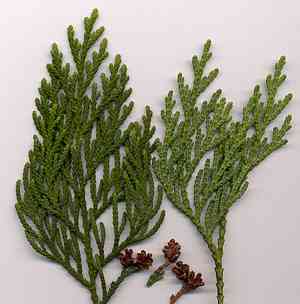
1
Japanese thuja flourish optimally when exposed to a minimum of 6 hours of direct sunlight each day.
2
Sunlight received in the morning hours is typically less intense for plants than afternoon sun.
3
Excessive direct solar exposure has the potential to cause scorching on the foliage of Japanese thuja.
Optimal Sunlight Conditions for Japanese thuja
Full Sun to Partial Shade
The Japanese thuja, a hardy and graceful evergreen, thrives across various light exposures. Ideally, these plants should receive full sun, translating to a minimum of six hours of direct solar exposure daily. This promotes vigorous development and vivid foliage. Nevertheless, they can also endure partial shade, an environment where plants receive morning light and some afternoon respite. Achieving this balance can shield the Japanese thuja from intense heat while facilitating efficient photosynthesis.
Morning vs. Afternoon Sun Exposure
Grasping the quality of sunlight is just as vital as its duration. Morning sun, being cooler and less intense, is generally preferred for Japanese thuja. It assists your plants in awakening and commencing their photosynthetic activity without the danger of overheating. Conversely, afternoon sun is hotter and more potent, potentially causing leaf scorch if not properly managed. When designing your garden, consider placing your Japanese thuja where they can benefit from the milder morning sun while being sheltered from the stronger afternoon rays by a structure or larger trees.
What Happens if Japanese thuja Gets Too Much Sun?
Signs of Sunburn
Excessive sun exposure can be detrimental to your Japanese thuja. A clear indicator of sunburn is the browning or yellowing of needles, primarily on the side of the plant facing the sun. These discolored needles often become brittle and do not recover, signaling permanent harm. You might also observe wilting or drooping, especially during peak sun hours, as the plant struggles to retain moisture.
Preventive Measures
Preventing sunburn on your Japanese thuja is essential for preserving its health and aesthetic appeal. Here are several preventative actions:Mulching: Apply a layer of mulch around the tree's base to help maintain soil moisture and keep roots cool.Watering: Ensure your Japanese thuja is adequately watered, particularly during hot, arid periods. Deep irrigation can help the plant cope with elevated temperatures.Shade Cloths: In extremely warm conditions, consider utilizing shade cloths to shield the plant from excessive sunlight. These easily draped fabrics can significantly lessen direct solar exposure.
What Happens if Japanese thuja Gets Too Little Sun?
Identifying Symptoms of Insufficient Light
Inadequate sunlight can also create issues for Japanese thuja. Symptoms of too little light include etiolated growth, where the plant elongates towards the light source and becomes sparse. Furthermore, the foliage may lose its rich green hue, becoming pale or even yellowish. Slowed growth is another sign that your plant requires more light.
Adjustments and Solutions
To correct insufficient sunlight, consider moving your Japanese thuja to a brighter spot if feasible. If your garden space is restricted, pruning nearby vegetation or trees to boost light penetration might be necessary. Another option could involve using reflective materials to direct more light to the plant. Aluminum foil or white-painted walls effectively bounce light into shaded areas.
Seasonal Sunlight Requirements for Japanese thuja
Spring and Summer Needs
Throughout the active growth periods of spring and summer, Japanese thuja demand ample sunlight to fuel their development and improve their foliage density. Aim for at least six to eight hours of light daily, ensuring they receive the morning sun. Consistent watering and mulching are crucial during these warmer months to encourage healthy growth and prevent moisture loss.
Fall and Winter Adjustments
As the days shorten in autumn and winter, Japanese thuja will naturally receive less sunlight, which is perfectly normal. These periods of reduced light are completely fine as the plant enters a state of slower growth or dormancy. If your Japanese thuja is in a location that gets very little light during winter, consider employing a plant-specific grow light to supplement natural sunlight, especially in regions with harsh winters.
Best Practices for Positioning Japanese thuja in Your Garden
Choosing the Right Location
Selecting the optimal spot for your Japanese thuja requires some forethought but is well worth the effort. Seek out an area that receives ample morning sun and partial shade in the afternoons. Avoid locations with intense direct sunlight all day, which can put stress on the plant.
Using Natural Features for Shade
Naturally occurring garden elements can be invaluable for providing the appropriate amount of shade for your Japanese thuja. Planting them near deciduous trees can offer dappled shade throughout the day, and these trees can provide full coverage in the summer while allowing more sunlight in the winter after they shed their leaves. Additionally, garden structures like pergolas or trellises can be strategically placed to offer necessary shade.



