How Much Sunlight Do Japanese ternstroemia Need?
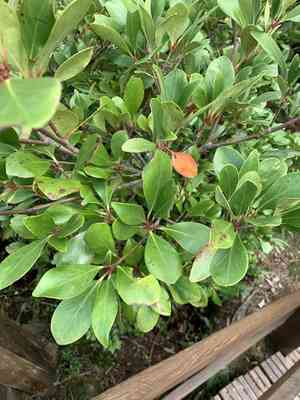
1
Japanese ternstroemia flourishes with 6 to 8 hours of daily sun exposure.
2
Excessive direct sun can scorch leaves, making afternoon partial shade advantageous.
3
A light meter can precisely determine the amount of illumination your plant receives each day.
Ideal Light Levels for Japanese Ternstroemia
Recommended Daily Sunlight Duration
For Japanese ternstroemia, achieving the correct light exposure is vital. This species generally flourishes when exposed to 6 to 8 hours of sun each day. While it tolerates partial shade, the plant exhibits its most vigorous growth upon reaching the minimum six-hour sunlight threshold. Ample light encourages rich foliage and robust development.
Direct Sun versus Dappled Light
Japanese ternstroemia adapts to various light conditions, yet comprehending the differences between direct sun and dappled light is key. Direct sun means the plant receives unfiltered sunlight for most of the day, approximately six hours or more. In contrast, dappled light implies 3 to 6 hours of direct sun, typically in the morning to early afternoon. While full sun significantly enhances plant vitality, partial shade often helps prevent leaf burn, particularly during intense afternoon sun.
Methods for Assessing Japanese Ternstroemia's Light Intake
Utilizing a Light Intensity Device
A practical instrument for ensuring your Japanese ternstroemia receives sufficient light is a light intensity meter. This gadget assists in quantifying the precise light amount in various areas where your plant resides. Simply insert the meter's probe into the soil near the plant and observe the light readings. This tool is especially useful for gardeners who seek consistent illumination and wish to eliminate guesswork in estimating light exposure.
Organic Indicators of Adequate Light
Beyond technological aids, natural signs can help ascertain if your Japanese ternstroemia is getting appropriate light. Healthy, vivid green leaves signify proper light exposure. Stretched or sparse growth typically suggests a need for more illumination. Conversely, singed or bleached foliage often indicates too much direct sunlight. Observing these natural cues can be very beneficial for daily light condition adjustments.
Modifying Plant Location
If your Japanese ternstroemia is struggling, the simplest alteration is changing its position. Think about moving the plant to a spot where it can receive the optimal 6-8 hours of sun. If indoors, positioning it near a south or west-facing window is beneficial. For outdoor specimens, relocating them to an area with morning sun but afternoon shade can prevent leaf scorching. Always observe the plant's reaction to its new spot and adjust as necessary.
Consequences of Insufficient or Excessive Light on Japanese Ternstroemia
Indicators of Inadequate Light
Recognizing the signs of insufficient light is crucial for maintaining your Japanese ternstroemia's health. If the plant receives too little illumination, you will observe symptoms such as elongated stems, pale or yellowing leaves, and a general dullness. The plant might also produce smaller foliage and fewer blooms. These indications suggest it's time to locate a brighter position for your plant to ensure its prosperity.
Manifestations of Overexposure to Light
Conversely, too much light can also be harmful. Symptoms of overexposure include leaf scorching, where leaf edges turn brown and crisp, and faded or bleached foliage. If these signs appear, it is imperative to provide some shade during the peak sun hours. Repositioning the plant or employing shade cloth can help shield it from extreme sun and heat.
Intervention Strategies for Light-Related Stress
Should your Japanese ternstroemia exhibit light-induced stress, prompt corrective actions are necessary. For insufficient light, moving the plant to a sunnier location or supplementing with artificial grow lights indoors can be effective. For excessive light, consider using a shade screen, relocating the plant to a spot with afternoon shade, or adding a garden umbrella if the plant is containerized and movable. Continuously monitor the plant's state and adjust its environment gradually to prevent shock.



