How Much Sunlight Do Cape honeysuckle Need?
1
Cape honeysuckle flourishes in direct sunlight but can endure some shade.
2
Fewer than 6 hours of sun exposure might diminish flower production.
3
Artificial grow lights can support indoor Cape honeysuckle during periods of lower natural light.
Optimal Light Conditions for Cape Honeysuckle
Full Sun Exposure
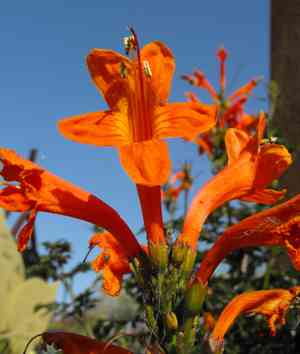
To ensure your Cape honeysuckle thrives, full sun exposure is paramount. This plant flourishes with a minimum of 6 to 8 hours of direct sunlight daily. Ample sun not only boosts its vivid orange-red flowers but also enhances overall development. Positioning your Cape honeysuckle where it receives maximum sunlight will guarantee its vitality and health. This is particularly crucial for gardeners in cooler climates where strong sunlight might be limited.
Partial Sunlight
While Cape honeysuckle prefers full sun, it can also grow in areas receiving partial sunlight. Ideally, this means approximately 4-6 hours of indirect sunlight daily. In regions with very intense summer heat, some afternoon shade can even help prevent leaf burn. However, be aware that partial sunlight may slightly reduce the plantâs flowering potential, but it wonât compromise its general well-being.
Effects of Insufficient Light on Cape Honeysuckle
Indicators of Low Light Stress
When Cape honeysuckle lacks adequate light, it will display several clear signs. Leaves may begin to yellow and drop, and the plant could become elongated and sparse. Furthermore, the vibrant blooms might be fewer and less impressive. Observing these indicators can help you quickly adjust and relocate your plant to a brighter location.
Growth and Bloom Consequences
Insufficient light leads to more than just cosmetic issues for your Cape honeysuckle. The absence of sunlight can severely impact its growth rate and flowering cycle. With inadequate light, you may notice that the plant's flowers are sparse and less vivid, affecting the overall beauty of your garden. Ensuring sufficient sun exposure is vital for maintaining a robust and profusely blooming Cape honeysuckle.
Seasonal Light Requirements for Cape Honeysuckle
Summer Sunlight Needs
During the summer, Cape honeysuckle greatly benefits from the intense, extended daylight hours. Regular checks are essential to ensure the plant isn't stressed by excessive heat or too much sunlight. In extreme heat, slightly reducing direct exposure can protect the plant without impacting its flowering cycle.
Winter Sunlight Adaptations
In winter, sunlight availability significantly decreases. Cape honeysuckle may need to be moved to a brighter spot, possibly with more southern exposure to capture the limited winter sunlight. For indoor plants or those in regions with shorter daylight periods, utilizing artificial grow lights can be an effective alternative to supplement sunlight and keep your plant healthy throughout the darker months.
Optimizing Sunlight Exposure for Indoor Cape Honeysuckle
Best Indoor Sunlight Locations
For indoor Cape honeysuckle, selecting the correct spot is critical. Position your plant near a south or west-facing window where it can receive ample sunlight throughout the day. These orientations typically provide the most consistent and longest sunlight exposure, helping maintain its growth and blooming health.
Utilizing Grow Lights
If natural sunlight is insufficient, especially during winter months, grow lights can be an excellent substitute. LED grow lights are energy-efficient and can provide the full spectrum of light that your Cape honeysuckle needs to flourish. Setting up a grow light for 8-12 hours a day can mimic the day's natural sunlight, helping maintain vibrant growth and healthy blooms.



