How Much Sunlight Do Common tansy Need?
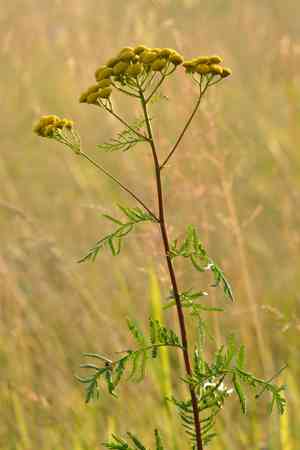
1
Common tansy performs optimally with a minimum of 6 hours of direct sun exposure each day.
2
It can tolerate partial shade, though its development might not be ideal.
3
Insufficient or excessive sunlight can severely affect the plant's vitality and bloom production.
Ideal Sunlight Conditions for Common tansy
Full Sun vs. Partial Shade: Which is Optimal?
For cultivating Common tansy, aiming for full sun exposure is most beneficial. This entails the plant receiving direct sunlight for over six hours daily. While it can endure partial shade, getting 3-6 hours of sun, superior growth, vivid foliage, and robust flowers are much more probable when it enjoys abundant sunshine. If you're a gardening enthusiast in a sun-rich area, full sun is undoubtedly the best choice for your Common tansy.
Daily Sunlight Hours Needed for Development
Common tansy requires a minimum of six hours of direct sunlight each day for strong and healthy development. Ideally, providing your Common tansy with upwards of 6-8 hours will ensure it experiences the best conditions for thriving. You'll observe that with sufficient light, the leaves are greener and the plant yields more blooms. Arranging your garden to guarantee this daily light can significantly impact the success of your Common tansy.
Influence of Seasonal Shifts on Light Needs
Seasonal transitions significantly impact sunlight availability. During summer's longer days, it's simpler for Common tansy to acquire the necessary sunlight hours. However, in autumn and winter, with shorter days and extended shadows, your plant might receive considerably less sun. To counteract this, consider moving potted plants to brighter locations or utilizing grow lights during darker months to supplement natural light. Adapting to these seasonal changes ensures your Common tansy remains vigorous throughout the year.
Determining If Common tansy Receives Adequate Sunlight
Indicators of Insufficient Light
Inadequate sunlight can lead to several issues for Common tansy. If your plant isn't getting enough light, you'll spot several warning signs: leaves might yellow or become pale, stems could elongate and thin as they reach for light, and flower production may be sparse or delayed. Should these symptoms appear, it's essential to re-evaluate the plant's position and ensure it receives at least six hours of daily sun exposure.
Signs of Excessive Sunlight
Conversely, too much sunlight can also damage Common tansy. Leaves might become scorched, appearing burnt or crisp, especially in very hot climates. To prevent this, during peak summer, some light afternoon shade can help mitigate intense midday heat. Observing your plant and making minor adjustments can help maintain a balanced and favorable environment.
Relocating Plants for Optimal Sun Exposure
Finding the ideal spot for sun exposure might involve some experimentation. If your Common tansy isn't flourishing, consider moving it to a sunnier part of your garden. Elevated beds and containers are particularly useful as they can be repositioned as needed. Additionally, trimming back nearby vegetation that might cast shadows can be beneficial. Such modifications ensure your Common tansy receives the correct amount of light, fostering healthier and more robust growth.
Sunlight Requirements Across Growth Stages
Seedling Stage Sunlight Requirements
In its seedling phase, Common tansy needs ample light to establish strong root systems and begin its growth journey. Ensure your seedlings receive approximately six hours of direct sunlight. If natural light is inadequate, especially indoors, consider employing grow lights that can replicate the necessary conditions. Keeping seedlings in bright spots helps them become sturdy and ready for transplanting once they mature.
Mature Plant Sunlight Needs
As Common tansy matures, its sunlight requirements stabilize but still demand consistency. Mature plants should continue to receive 6-8 hours of direct sunlight daily to support their vigorous growth and flowering. Consistent light exposure contributes to maintaining strong stems, healthy foliage, and abundant blossoms.
Sunlight Considerations During Blooming
During its flowering period, Common tansy needs continuous sunlight. Bright, steady sunlight promotes profuse blooming. Ensure the plant isn't overshadowed by nearby taller plants and receives direct light. Proper sunlight during this crucial stage not only enhances flower production but also improves the overall health and vitality of the plant.
Enhancing Sunlight Exposure for Common tansy
Best Garden Placement
Placement is crucial for ensuring your Common tansy gets sufficient sunlight. Choose the sunniest area of your garden, ideally with a southern or southwestern aspect, to maximize light. Open spaces free from tall structures and trees are perfect. By selecting the right location, you help guarantee your plant receives the sunlight it needs from morning till evening.
Using Reflective Groundcover to Boost Light
Reflective groundcover can be an excellent tool to enhance sunlight for Common tansy. Mulches made from materials like white plastic or silver film not only retain soil moisture but also reflect light onto the plant. This aids in increasing light exposure from various angles, ensuring your plant gets an all-around light bath.
Companion Planting for Optimized Light
Companion planting involves strategically growing other plants around your Common tansy that do not obstruct its sunlight but rather assist in different ways. Shorter plants can serve as good companions, ensuring they won't overshadow the Common tansy. Additionally, selecting companions that complement the growth habit of Common tansy can help optimize overall garden health and light availability.



