How Much Sunlight Do Black bat flower Need?
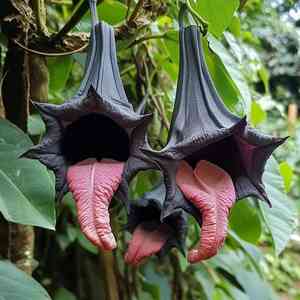
1
The Black bat flower flourishes optimally with filtered illumination, receiving approximately 3-6 hours of diffused sun each day.
2
Unfiltered sun exposure can lead to burning and harm the Black bat flower's tender foliage.
3
Relocating your Black bat flower to accommodate seasonal shifts can ensure it gets ideal light year-round.
Optimal Illumination for Black Bat Flower
Indirect Light is Crucial
Unlike many blooming plants, the Black bat flower thrives in diffused light. This means positioning it where it benefits from illumination without direct sun exposure. Bright, filtered light is ideal, enabling efficient photosynthesis while preventing harsh direct sun damage.
Avoid Direct Sun Exposure
Direct sunlight can be particularly harmful to the Black bat flower. Intense, unfiltered sun can scorch its leaves, causing brown, brittle edges and overall health decline. It's vital to find a spot with diffused light, such as near a north or east-facing window indoors.
Employing Shade Cloths or Curtains
If your space offers limited indirect sunlight, consider using shade cloths or sheer curtains to filter sunbeams. These materials help regulate the light intensity reaching your Black bat flower, ensuring adequate brightness without the risk of sunburn.
Optimal Placement for Black Bat Flower Sunlight
Ideal Indoor Locations
Indoors, the best spots for your Black bat flower are those providing consistent, gentle light. East-facing windows are excellent, offering morning sun which is less intense than afternoon light. You can also place it a few feet from a south or west-facing window, always ensuring light diffusion with a curtain.
Best Outdoor Placements
If you prefer your Black bat flower outdoors, select a location with dappled sunlight, like under a tree canopy or on a shaded patio. Avoid areas with prolonged full sun. Adjust its position as needed to accommodate shifting light patterns, especially with seasonal changes.
Indicators of Over or Under-Exposure to Light for Your Black Bat Flower
Signs of Excessive Light
When your Black bat flower receives too much light, you'll likely observe yellowing leaves or brown spots with crispy edges. Leaf scorch clearly indicates stress from excessive direct sunlight. Promptly moving the plant to a more suitable location is crucial to prevent lasting harm.
Signs of Insufficient Light
If your Black bat flower isn't getting enough light, it may show slow growth, pale foliage, and reduced blooming. The plant might also stretch, developing elongated, leggy stems as it seeks more light. Relocating it to a brighter spot with indirect light can restore its vitality.
Modifying Light Conditions for Your Black Bat Flower
Utilizing Grow Lights
When natural light is inadequate, especially in winter, grow lights can be a practical solution. Grow lights mimic sunlight, providing a consistent light source for your Black bat flower. Position the light at a safe distance to prevent overheating and supply the extra light needed for thriving.
Relocating Based on Seasonal Shifts
Seasonal changes significantly affect the light your Black bat flower receives. In winter, you might need to move it closer to a light source to compensate for shorter days and weaker light. Conversely, in summer, watch for signs of excessive light and consider moving it away from windows or adding more shade.



