How Much Sunlight Do Eastern skunk cabbage Need?
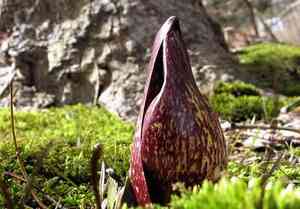
1
Eastern skunk cabbage flourishes optimally in areas with partial shade, getting approximately 3-6 hours of sun each day.
2
This species exhibits tolerance for both complete sun exposure and deep shade to a degree, offering adaptability across different light environments.
3
Excessive direct solar radiation may lead to burn marks or drooping foliage on Eastern skunk cabbage.
What Level of Sunlight Does Eastern Skunk Cabbage Require?
Partial Shade Versus Full Sun Exposure
Eastern skunk cabbage thrives in partial shade, meaning it flourishes in locations receiving approximately 3-6 hours of daily sun. These conditions replicate its native environment, typically beneath tree canopies in wetlands. While it can endure full sun, its vibrant green foliage might suffer from scorching, particularly if the sun's intensity is too high.
Seasonal Light Requirements
The light needs of Eastern skunk cabbage can fluctuate with the seasons. During spring and summer, when the plant is actively developing, it benefits from moderate sunlight. In autumn and winter, as the plant enters a more dormant phase, reduced sunlight is less problematic and can actually help prevent stress. Relocating the plant or providing shade during peak summer months can help maintain its vitality.
How Much Sunlight Is Optimal for Eastern Skunk Cabbage?
Daily Sunlight Duration
For peak development, Eastern skunk cabbage should receive around 3-6 hours of sunlight daily. This duration enables efficient photosynthesis without overwhelming the plant with intense light. If you're cultivating Eastern skunk cabbage in a garden, consider spots that get direct morning sun followed by afternoon shade.
Sunlight Intensity Considerations
The strength of the sunlight is as crucial as its duration. Eastern skunk cabbage performs well under filtered light, which is less harsh and mimics its natural woodland habitats. Intense, direct sunlight during the warmest part of the day can cause leaf burn. Utilizing shade cloth or strategic placement under taller plants can help regulate light intensity.
What Occurs if Eastern Skunk Cabbage Receives Too Much Sun?
Indicators of Excessive Sun Exposure
When exposed to too much sunlight, Eastern skunk cabbage may display several signs of distress. Look for brown or crispy leaf edges, a condition known as leaf scorch. Additionally, the plant might wilt more frequently, and its vivid green color could fade to a dull, washed-out shade. These symptoms suggest the plant is getting more sun than it can comfortably tolerate.
Preventing Sun Damage
To avoid sun damage, consider applying mulch around the plant's base to help retain moisture and cool the soil. Positioning the plants where they receive morning sunlight but are shaded during the hotter afternoon hours can also be advantageous. If you observe signs of sun stress, you can use a temporary shade cloth to lessen exposure until the plant recovers.
Does Eastern Skunk Cabbage Thrive in Low Light Conditions?
Adaptation to Shady Environments
Eastern skunk cabbage is quite versatile and can grow in low light conditions. In deeply shaded areas, the plant may develop more slowly, but it will generally maintain its health. The key is ensuring the soil remains moist, as Eastern skunk cabbage flourishes in wet environments often found in shadier locations.
Growth and Health in Dim Light
While Eastern skunk cabbage can endure low light, you might notice a decrease in the plant's overall vigor and the size of its leaves. Regularly check the soil moisture and consider adding organic compost to enrich the soil and support its growth. Healthy undergrowth and occasional exposure to filtered sunlight can significantly improve its thriving even in low-light settings.



