How Much Sunlight Do Coralberry Need?
1
Coralberry flourishes with 3-6 hours of direct sun each day.
2
Coralberry prefers partial shade, yet it can endure either full sun or complete shade.
3
Observing changes in sunlight throughout the year greatly affects Coralberry's development.
Optimal Sunlight Conditions for Coralberry
Ideal Sunlight Exposure
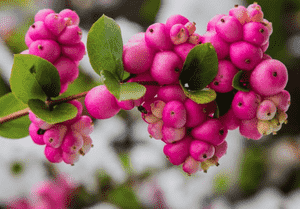
The Coralberry, known for its vibrant berries and robust nature, flourishes with moderate sun exposure. Aim for approximately 3-6 hours of direct sunlight daily. This range provides the plant with sufficient light for photosynthesis, leading to vigorous growth and berry development. Remember, Coralberry plants are adaptable and can thrive in various light conditions, but this amount ensures peak growth.
Partial Shade vs. Full Sun
While 3-6 hours of sunlight is optimal, Coralberry plants exhibit remarkable resilience. In areas where full sun exposure is unavoidable, these plants will still survive, though you might observe some leaf burn or increased water requirements. Conversely, in partial shade environments, Coralberry performs exceptionally well. Dappled light helps maintain moisture levels and keeps foliage healthy.
Seasonal Sunlight Variations
Seasonal light changes significantly impact the Coralberry's life cycle. During the longer days of summer, ensure your plant isn't exposed to overly harsh midday sun. In winter, when sunlight is shorter and less intense, Coralberry may tolerate more direct sunlight without adverse effects. Observing these seasonal shifts will help you manage your plant's well-being throughout the year.
How to Identify Sunlight Needs for Coralberry
Signs of Too Much Sun
Excessive sunlight can harm Coralberry. Look for indicators like leaf scorching, where edges turn brown and brittle. Another sign is faded leaf color, indicating plant stress and potential dehydration. If you notice these symptoms, consider moving your plant to a less direct sun spot or providing shade during peak sun hours.
Signs of Insufficient Sun
Conversely, Coralberry plants receiving inadequate sunlight will display different symptoms. Watch for stunted growth and sparse berry production. Leaves might become dark green and elongated as the plant stretches for light. Addressing these symptoms by increasing light exposure can help restore the plant to a healthy state.
Balancing Indoor and Outdoor Light
If you're cultivating Coralberry indoors or in a partially shaded area, balancing light exposure is crucial. Use sheer curtains to diffuse intense sunlight or position the plant near a window that receives morning light. For outdoor plants, consider placing them under taller shrubs or trees that offer filtered light.
Techniques to Optimize Sunlight Exposure
Best Planting Locations
Choosing an optimal planting location is fundamental for healthy Coralberry growth. Aim for a spot where the plant can access morning sunlight, which is less intense than afternoon sun. Eastern or northeastern sides of your garden could be ideal, ensuring the plant receives gentle, early day sunlight.
Using Mulch and Ground Cover
Applying mulch around your Coralberry plants helps retain soil moisture and regulate temperature. This is especially beneficial in sunnier spots where the soil can dry out quickly. Additionally, using ground cover plants can provide extra shade and help maintain a more consistent soil environment for your Coralberry.
Adjusting Planting Arrangements Seasonally
Considering seasonal adjustments to your planting arrangements will also benefit your Coralberry. In summer, if possible, provide temporary shading with garden fabric or move potted plants to shadier spots. In winter, you might want to trim surrounding plants to allow more light to reach your Coralberry, supporting its health during shorter days.
FAQ: Sunlight for Coralberry
Can Coralberry Grow in Full Shade?
Yes, Coralberry can grow in full shade. While it can tolerate these conditions, growth may be slower, and berry production might be less compared to plants grown in partial sun. It's important to manage expectations and provide water and nutrients diligently to support the plant's health.
How to Protect Coralberry from Excessive Sunlight?
Protecting Coralberry from excessive sunlight involves strategic placement and protective measures. One effective method is using shade cloths during peak sunlight hours. Additionally, placing the plant in a spot that receives natural afternoon shade, like behind a taller structure or plant, can shield it from intense sun exposure.
Do Coralberry Plants Need Different Sunlight When Young?
Young Coralberry plants are more delicate and can easily succumb to stress from intense sun or shade. It's best to start them in a location where they receive filtered or morning light. As they mature and develop a stronger root system, they can better tolerate varying sunlight conditions.



