How Much Sunlight Do Bird of paradise Need?
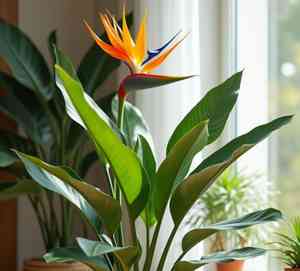
1
Bird of paradise plants flourish when receiving over six hours of direct sun daily.
2
Modify the light conditions for your Bird of paradise to prevent foliage from turning yellow or getting burned.
3
Sheer drapes are useful for moderating indoor light levels to support healthy development.
The Vital Role of Sunlight for Bird of Paradise
Photosynthesis and Development
Sunlight acts as the primary power source for photosynthesis, the method plants use to transform light energy into chemical energy. For your Bird of paradise, adequate sun exposure is crucial for robust development. Without sufficient light, the plant may become frail or underdeveloped, struggling to execute the fundamental processes necessary for its survival and flourishing.
Effect on Bloom Production
The Bird of paradise is renowned for its magnificent, avian-like flowers. These brilliant blossoms require a generous amount of sunlight to form. Over 6 hours of direct sunlight daily is optimal to ensure the plant produces its characteristic flowers. Insufficient light can result in fewer blooms or none at all, denying you the plant's spectacular visual appeal.
Perfect Sunlight Conditions for Bird of Paradise
Ideal Light Intensity
For a Bird of paradise to thrive, it requires full sun, meaning more than 6 hours of direct sunlight each day. This exposure should ideally occur in the morning or late afternoon when solar intensity is lower. Nevertheless, the plant can also endure partial sun, particularly if it helps avoid intense midday rays that might be too strong.
Indoor vs. Outdoor Illumination
If you're cultivating your Bird of paradise outdoors, it should be situated where it can absorb the sun's complete radiance. Indoors, position your plant near a bright, south- or west-facing window. Bear in mind that natural indoor light is typically less intense than outdoor light, so you might need to supplement with grow lights during darker periods or if your indoor setting lacks adequate sunlight.
Indicators Your Bird of Paradise Needs More Sun
Yellowing Foliage
One potential indicator that your Bird of paradise isn't receiving enough sunlight is yellowing leaves. This could suggest the plant is struggling to create sufficient chlorophyll due to inadequate light. If you observe this symptom, gradually increase the plant's exposure to direct sunlight to prevent shock.
Elongated Growth
Leggy growth, where stems appear stretched and weak, is another sign of insufficient sunlight. This happens because the plant reaches out toward the available light source in an effort to capture more light, often leading to a less sturdy and aesthetically pleasing form. Relocating your plant to a brighter spot can help resolve this issue.
Indicators Your Bird of Paradise is Receiving Too Much Sun
Scorched or Browned Leaves
While Bird of paradise enjoys ample sunlight, excessive exposure, especially during peak midday hours, can cause leaf scorching or browning. This clearly signals that the sun's intensity is too high, and you should consider providing some shade or moving the plant to avoid direct midday sun.
Leaf Curling
In addition to scorching, leaf curling can also occur when the Bird of paradise is exposed to excessive sunlight. The leaves curl as a protective measure to reduce their surface area and minimize damage. If you notice this behavior, it's time to lessen the plant's exposure to intense sunlight and potentially move it to a less exposed location.
Adjusting Light Levels for Your Bird of Paradise
Using Sheer Curtains for Indoor Specimens
If your Bird of paradise is grown indoors, employing sheer curtains can help moderate sunlight intensity. Sheer curtains allow ample light to penetrate without subjecting the plant to harsh, direct sun. This arrangement is particularly beneficial during intense midday and summer months, fostering an ideal environment for your plant to flourish.
Seasonal Adjustments
Modifying the light conditions for your Bird of paradise by season can promote superior growth. During winter months when sunlight is weaker and days are shorter, consider supplementing with grow lights to maintain consistent light levels. Conversely, during summer, you might need to shield the plant from the scorching midday sun to prevent burning.



