How Much Sunlight Do Hairy feathergrass Need?
1
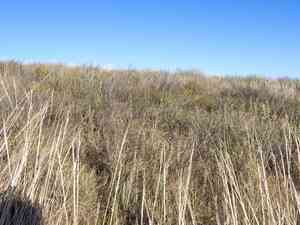
For optimal growth, Hairy feathergrass requires a minimum of six hours of direct sun exposure daily.
2
Overexposure to sunlight can manifest as scorched leaf tips and sun damage on foliage.
3
Though Hairy feathergrass can endure some shade, its development may not be as vigorous compared to conditions with ample sunlight.
Optimal Light Requirements for Hairy feathergrass
Full Sun Necessities
To thrive, Hairy feathergrass requires abundant illumination. Ideally, this plant should receive over six hours of direct sun daily. Full sun exposure ensures the grass develops dense foliage and displays a healthy, vivid coloration. When planting outdoors, select a site with unrestricted access to sunlight. This resilient grass is perfectly suited for bright areas in gardens, borders, or open landscapes where it can absorb sunlight throughout the day.
Partial Shade Resilience
Hairy feathergrass is highly adaptable and can endure conditions of partial shade. If your garden or yard experiences some shaded periods, there's no need for concern. While it prefers full sun, the grass can grow in locations receiving approximately 4-6 hours of sunlight daily. However, be aware that in shadier environments, the grass might not achieve its maximum growth and could exhibit sparser foliage. When placed in less sunny spots, monitor its development and consider gradually relocating it to a brighter position if it appears less vigorous.
Effects of Excessive Sun Exposure on Hairy feathergrass
Indicators of Sunburn and Leaf Damage
Although Hairy feathergrass flourishes in full sun, prolonged exposure, particularly during intense heatwaves, can cause sunscald. Symptoms indicating the grass is receiving too much sun include browning or scorching on leaf tips and discolored spots on the foliage. These signs denote that the plant's tolerance limit has been surpassed, resulting in sun damage. Periodically inspect your grass during peak summer months to confirm it isn't displaying these signs of stress.
Preventative Measures for Sun Overexposure
To avoid excessive sun exposure, ensure the grass is adequately hydrated, especially during extreme temperatures. Applying mulch around the base can aid in retaining soil moisture and maintaining cooler root temperatures. If your Hairy feathergrass is situated in a location with extended, intense sunlight, consider providing temporary shade during the hottest part of the day. Utilizing garden umbrellas or strategically positioning taller plants to create natural shade can help better manage sun exposure.
Can Hairy feathergrass Survive in Dim Light?
Growth Characteristics in Shaded Locations
When Hairy feathergrass is cultivated in areas with reduced light intensity, its growth habit can change considerably. In shaded environments, the grass tends to stretch towards light sources, which may lead to lankier, less robust foliage. Its overall vitality and color might also be subdued compared to those grown under optimal sunlight. Despite this, it can still function as an attractive ground cover, though it won't be as lush and sturdy as in bright conditions.
Optimizing Light in Low-Light Situations
If you are determined to cultivate Hairy feathergrass in shadier areas, there are methods to maximize available light. Trimming back overhanging branches or other plants that cast shadows can boost light exposure. Reflective surfaces such as white walls or garden mirrors can also assist by directing additional light onto the grass. Furthermore, consider planting in areas that receive filtered sunlight throughout the day, which can offer a suitable balance for the grass to thrive.
Optimal Siting Practices for Hairy feathergrass
Outdoor Placement Recommendations
When relocating Hairy feathergrass outdoors, choose a location with full sun exposure to ensure strong growth. Ideal spots include open fields, garden borders, and sunny backyard corners. Ensure the soil drains effectively, as the grass prefers arid to moderately moist conditions. Steer clear of areas prone to waterlogging, as this can harm the root system. Consistently monitor the plant's state to confirm it is adapting well to its position and flourishing as anticipated.
Indoor Cultivation Considerations
Growing Hairy feathergrass indoors can present some difficulties due to its requirement for ample sunlight. Position the plant near a south-facing window where it can receive the most light. If natural light is insufficient, contemplate supplementing with grow lights, making sure the grass still gets at least 6 hours of light daily. Rotate the plant regularly to ensure uniform light distribution and prevent leaning. Being attentive to its light needs will help maintain a vigorous and vibrant indoor Hairy feathergrass.



