How Much Sunlight Do Prairie Dropseed Need?
1
Prairie Dropseed flourishes optimally with ample sunlight, needing a minimum of six hours of direct sun each day.
2
While highly adaptable, this grass achieves its best growth in soil that drains effectively.
3
Inadequate light exposure may lead to diminished development and sparse blooming for Prairie Dropseed.
Prairie Dropseed Light Needs
Full Sun vs. Partial Shade for Prairie Dropseed
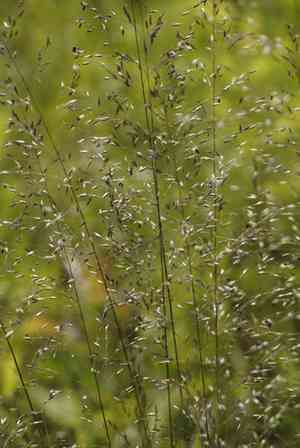
For successful Prairie Dropseed cultivation, adequate sunlight is essential. This warm-season grass flourishes best in full sun, meaning it needs at least six hours of direct sunlight daily. While it can endure partial shade, receiving 4 to 6 hours of sun, its development and overall vitality might be less robust. Full sun encourages more vigorous growth and its characteristic airy seed heads.
Prairie Dropseed Growing Conditions
Prairie Dropseed adapts well to various growing environments, making it a popular choice for many gardeners. It prefers soil that drains well and can withstand dry spells once established. The combination of ample sun and good drainage creates an ideal setting for it to thrive. However, planting in consistently wet areas can lead to root rot and other problems.
Optimal Daily Sunlight Hours for Prairie Dropseed
For peak growth, Prairie Dropseed should receive over 6 hours of direct sunlight daily. This grass excels with abundant light, which aids in developing stronger roots and more vibrant foliage. In very hot climates, providing afternoon shade can prevent excessive drying and stress, but morning sun exposure remains most beneficial.
Placing Prairie Dropseed in Your Garden
Best Garden Locations for Prairie Dropseed
Selecting the ideal garden spot for Prairie Dropseed involves finding a location that gets full sun for most of the day. Optimal areas include open spaces away from tall trees or structures that might cast shadows. Gardens facing south or west are often best, as they receive the most consistent sunlight throughout the day.
Landscape Design Considerations for Prairie Dropseed
Integrating Prairie Dropseed into your landscape design requires careful thought. This grass performs well in various settings, including borders, rock gardens, and meadows. Its fine-textured leaves and graceful seed heads add movement and texture to the landscape. When planting in groups, space them about 30-45 centimeters (12-18 inches) apart for proper air circulation and growth.
Common Sunlight Issues for Prairie Dropseed
Signs of Insufficient Sunlight
If Prairie Dropseed doesn't get enough sunlight, you might observe several stress indicators. These include stunted development, sparse or weak foliage, and poor blooming. The grass may also lose its typical green hue, becoming pale or yellowish. To fix inadequate sunlight, consider moving the plant to a sunnier spot or pruning nearby structures or plants that cast too much shade.
Effects of Excessive Sunlight Exposure
While Prairie Dropseed thrives in full sun, too much exposure, especially in extremely hot regions, can cause issues like leaf scorch or drying. This can be alleviated by ensuring the plant is well-watered, particularly during dry periods, and by offering some afternoon shade if necessary. Mulching around the plant's base can also help retain soil moisture and prevent overheating.
Adjusting Sunlight Exposure for Optimal Growth
To ensure your Prairie Dropseed receives the correct amount of sunlight, monitor its growth and make necessary adjustments. If you notice signs of insufficient light, gradually move the plant to a sunnier location or modify nearby elements causing shade. Conversely, if you observe signs of too much sunlight, such as scorched leaves, provide temporary shade during peak sun hours or ensure adequate irrigation.



