How Much Sunlight Do Baby's breath spirea Need?
1
Baby's breath spirea flourishes in areas with ample direct sunlight.
2
It can endure some shade, though this might impact its blossoms and development.
3
Adequate light promotes abundant flowers and robust leaves.
Optimal Light Requirements for Baby's Breath Spirea
Ideal Sun Exposure
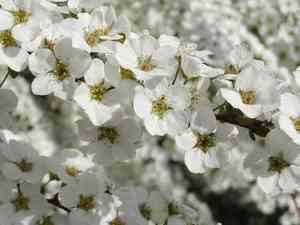
For peak development and flowering, Baby's Breath Spirea thrives in full sun. This means the plant should ideally receive a minimum of six hours of direct sunlight daily. Full sun encourages these spireas to produce their characteristic, abundant white flowers, making your garden appear vibrant and lush. Select a location in your garden where the plant can soak in sunlight from morning until late afternoon.
Amount of Light Needed
Baby's Breath Spirea requires at least six hours of sunlight each day. While it can endure partial sun, receiving only about 3-6 hours of direct sunlight, this might lead to leggy growth and fewer blossoms. Ensuring your spirea gets more light results in improved health, richer foliage, and more spectacular blooms.
Sunlight Intensity
The strength of sunlight plays a vital role in the well-being of Baby's Breath Spirea. Although they flourish in bright, direct sun, they can be susceptible to extremely harsh afternoon rays in very hot climates. If you reside in a particularly sunny region, consider placing the plant where it receives morning light and some filtered afternoon shade to shield it from the most intense sunlight.
How to Provide Adequate Sunlight for Baby's Breath Spirea
Placement in Your Garden
Carefully select a spot in your garden that offers uninterrupted sunlight for most of the day. If uncertain, observe your garden at various times to identify the sunniest areas. When planting, ensure no large trees or structures cast shadows over your Baby's Breath Spirea.
Utilizing Sunlight Reflectors
In areas where direct sunlight is limited, consider employing sunlight reflectors to direct more light towards your spirea. Reflective mulches, white walls, or garden mirrors can boost light exposure, helping your plant flourish even in less-than-ideal lighting conditions.
Monitoring and Adjusting Light Exposure
Once planted, it's crucial to monitor the sunlight your spirea receives. Use a sunlight meter if necessary for accurate readings. If you notice issues like sparse flowering or leaf discoloration, it might be time to reassess the plant's location and make adjustments. Don't hesitate to relocate the plant if needed, ensuring it gets the proper amount of sunlight required for its health.
Impact of Insufficient or Excessive Sunlight on Baby's Breath Spirea
Signs of Excessive Sunlight
If Baby's Breath Spirea is receiving too much sunlight, you might observe leaf scorching, where the leaf edges turn brown and crisp. Another indicator is wilting foliage despite adequate watering. This occurs because intense sunlight can cause excessive water loss from the leaves, leading to dehydration.
Signs of Insufficient Sunlight
Conversely, inadequate sunlight can result in leggy growth, where stems become long and thin as the plant stretches towards the light. You may also notice reduced flowering and pale, yellowish leaves. The plant’s overall vigor and health will decline without enough light.
Solutions for Sunlight Problems
To address sunlight issues, first determine if your plant is getting too much or too little light. For excess sunlight, consider moving the plant to a spot with more afternoon shade or providing artificial shading. For insufficient sunlight, try relocating the spirea to a sunnier area or using reflectors to enhance the light it receives. Adjust watering practices accordingly to aid the plant's recovery.
Seasonal Sunlight Considerations for Baby's Breath Spirea
Spring and Summer Requirements
During spring and summer, Baby's Breath Spirea is in its active growth and blooming phase. Ensure it receives ample sunlight during these months, as this is when it needs the most energy for growth and flower production. Consistent full sun exposure will lead to the best display of blooms and robust foliage.
Fall and Winter Adjustments
In fall and winter, while the growth of Baby's Breath Spirea slows, sunlight remains important for maintaining plant health. However, as days shorten and sun intensity decreases, it’s beneficial to ensure the spirea still gets a good amount of light. If necessary, prune nearby plants or trees that might cast excessive shadows.
Adapting to Changing Light Conditions
As seasons change, regularly check the sunlight conditions in your garden. What worked in summer may require adjustment in winter. Maintaining flexibility in positioning and consistently monitoring sunlight exposure helps ensure your Baby's Breath Spirea remains healthy throughout the year. Consider seasonal pruning and other modifications to adapt to changing light conditions seamlessly.



