How Much Sunlight Do Japanese meadowsweet Need?
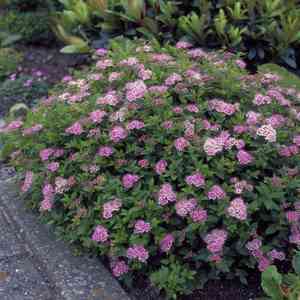
1
Japanese meadowsweet flourishes optimally with over six hours of direct sun exposure daily.
2
Although Japanese meadowsweet can endure some partial shade, its bloom production might be less abundant under such circumstances.
3
Consistently observe the plant for indications of either excessive or insufficient light to support its best development.
Deciphering Sunlight Requirements for Japanese Meadowsweet
Optimal Light Conditions
For your Japanese meadowsweet to achieve peak health and vivid blossoms, supplying the correct amount of sunlight is crucial. This species thrives in full sun, necessitating at least six hours of direct sun daily. Positioning it where it can absorb morning and early afternoon light will foster vigorous development and abundant flowers.
Full Sun Versus Partial Shade
Japanese meadowsweet can manage in partial shade—locations receiving 3 to 6 hours of sun daily—but its vigor might diminish. In full sun, the plant exhibits richer, denser foliage and more brilliant flowers. Under partial shade, you might observe fewer blooms and a less compact growth pattern. It's important to weigh the advantages of full sun against the risk of the plant not reaching its full potential in a shadier spot.
Assessing Sunlight Sufficiency for Your Japanese Meadowsweet
Indicators of Adequate Sunlight Exposure
When your Japanese meadowsweet receives optimal sunlight, you will notice several positive signs. The leaves will be lush and verdant, the plant will produce numerous flowers, and its overall development will appear robust and healthy. Observing the plant's performance offers valuable clues about its satisfaction with current light conditions.
Typical Issues from Insufficient Sunlight
Not all difficulties with your Japanese meadowsweet are due to pests or poor soil. Insufficient sunlight can also lead to problems. If the plant gets too little sun, it might become leggy and weak, with elongated, flimsy stems. Flowering can be sparse, and leaves may yellow or drop prematurely. These symptoms indicate your plant needs more light.
Adjusting Sunlight for Optimal Development
Changing Plant Location
If your Japanese meadowsweet isn't receiving enough sunlight, consider moving it to a brighter spot. Select an area in your garden that gets full sun for most of the day. This may involve transplanting the shrub, so schedule this during the plant's dormant period, typically from late autumn to early spring.
Implementing Shade Solutions
Conversely, if your Japanese meadowsweet is exposed to excessive, intense direct sunlight, especially in regions with very hot summers, providing some shade can help prevent leaf scorch. Utilizing shade cloths or planting it near taller specimens can offer relief from the harshest afternoon sun, shielding it during peak heat hours.
Seasonal Light Adjustments
Sunlight levels fluctuate with the seasons. During the active growing period (spring and summer), ensure your Japanese meadowsweet has ample sun exposure. In fall and winter, naturally shorter days mean less light, which is usually not an issue as the plant's growth cycle slows. Monitor its light exposure throughout the year, particularly during seasonal transitions.
Common Questions About Japanese Meadowsweet's Sunlight Needs
Can Japanese Meadowsweet Grow in Complete Shade?
Japanese meadowsweet will struggle significantly in full shade. It might survive, but the lack of light will severely impact its blooming and overall vitality. Full shade conditions are not recommended and should be avoided if vibrant flowers and robust foliage are desired.
What Is the Ideal Time of Day for Sun Exposure?
Morning to early afternoon sun is most suitable for Japanese meadowsweet. This timing provides the necessary light intensity before the day's heat peaks. Locations with morning sunshine followed by filtered light or slight shade in the afternoon are most advantageous.
How Do Climatic Conditions Affect Sunlight Needs?
Weather conditions, such as extended overcast days or extreme heat, can influence the sunlight your Japanese meadowsweet receives. During prolonged cloudy periods, ensure no other elements (like dense trees or structures) further obstruct light. In intense heat, protect the plant from potential sunburn by providing partial shade during the most intense afternoon hours.



