How Much Sunlight Do Chinese wedelia Need?
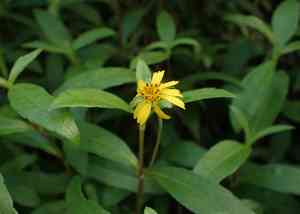
1
Chinese wedelia flourishes best with ample sunshine, needing more than six hours of direct light each day.
2
Partial shade is acceptable, though it might result in less vigorous development and fewer blooms.
3
Too much sun can burn its leaves, whereas insufficient light promotes stretched stems and diminished floral production.
Ideal Light Requirements for Chinese Wedelia
Full Sun Conditions
For optimal health, Chinese wedelia requires complete sun exposure. This implies the plant should receive a minimum of six hours of direct daylight daily. Such light intensity enables efficient photosynthesis, fostering vigorous development and prolific blooming. Positioning Chinese wedelia where it can absorb morning or late afternoon sun is generally most effective. Nevertheless, in extremely warm climates, providing some shade during the afternoon may help prevent leaf damage.
Partial Shade Resilience
Chinese wedelia also exhibits tolerance for partial shade, making it a flexible choice for various garden designs. Under partial shade, it will still grow, though it may not achieve the same robustness or produce as many blooms as it would in full sun. Partial shade is typically defined as an area receiving 3-6 hours of daily sunlight or filtered light throughout the day. This adaptability can be advantageous for gardeners contending with varied light conditions in their landscape.
Recognizing Appropriate Sunlight for Chinese Wedelia
Leaf Hue and Growth Monitoring
A direct method to assess if Chinese wedelia is receiving adequate sunlight is by observing the hue and development of its foliage. Healthy leaves should display a vivid green color. Should the plant get excessive sunlight, its leaves might become yellowed or scorched at the margins. Conversely, if the plant lacks sufficient sunlight, you may observe smaller leaves and elongated or spindly stems.
Bloom Production Assessment
The quantity of flowers serves as a clear metric for whether Chinese wedelia is exposed to enough sunlight. In ideal light conditions, this plant will yield an abundance of bright, yellow blossoms. If you notice fewer flowers or blooms that are smaller and less vibrant, this could indicate that the plant is not receiving ample sunlight. Regularly checking the frequency and quality of the flowers can help you adjust the plant's location as needed.
Potential Issues from Inappropriate Sunlight Levels
Symptoms of Excessive Exposure
While Chinese wedelia thrives in sunlight, too much exposure can lead to issues. Look for indicators such as leaf scorch, where the leaf edges turn brown and brittle. This frequently occurs during peak summer when the sun is most intense. Another symptom of overexposure is wilting despite consistent irrigation. To avoid this, consider offering afternoon shade or relocating the plant to a less exposed spot during extremely hot periods.
Signs of Insufficient Exposure
On the other hand, inadequate sunlight can cause Chinese wedelia to become stretched and weak. Stems extend outwards in search of light, leading to sparse foliage and a less dense appearance. Furthermore, underexposure often results in fewer and smaller flowers, diminishing the plant's decorative appeal. Ensuring the plant receives at least part sun (3-6 hours) can help maintain its vitality and productivity.
Strategies for Modifying Sunlight Exposure for Chinese Wedelia
Practical Light Management
Managing sunlight exposure for Chinese wedelia involves continuous observation and repositioning. If the plant appears to be getting too much sun, you can move it to a location that receives more shade, especially in the afternoons. Conversely, if it's not getting enough light, consider moving it to a brighter area. Utilizing portable containers for planting can simplify this process. Additionally, pruning nearby plants or trees that obstruct sunlight can help optimize light conditions.
Implementing Supplementary Lighting
If natural light is insufficient, particularly indoors, employing artificial lighting can be an effective substitute. Grow lights that simulate natural sunlight can provide Chinese wedelia with the necessary light spectrum for photosynthesis. Position the grow lights approximately 30-45 cm (12-18 inches) above the plant and use a timer to ensure it receives 12-16 hours of light daily. This method is especially beneficial during the colder months or in areas with restricted sunlight.



