How Much Sunlight Do Australian tree fern Need?
1
Australian tree fern flourishes most effectively in partial or filtered light conditions for peak development.
2
Excessive sun exposure may lead to scorching of the Australian tree fern's fronds.
3
Insufficient light can impede the Australian tree fern's development and result in yellowing foliage.
Optimal Light Conditions for Australian Tree Ferns
Requirements for Partial Shade
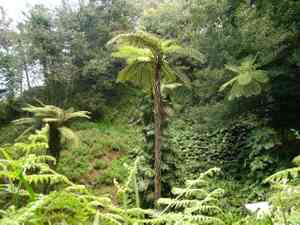
Australian tree ferns thrive best in conditions of partial shade. This implies they require sunlight exposure for approximately 3 to 6 hours daily. Given their origin in Australian forests, where they grow beneath larger trees, replicating this environment aids their growth. The advantage of partial shade is its protection from intense midday sun, which can be quite harmful.
Preferences for Filtered Sunlight
Filtered sunlight offers an ideal balance for these ferns. This resembles light passing through the foliage of taller plants, creating a dappled effect. Positioning your Australian tree fern near a window with sheer curtains, or beneath taller plants in your garden, can replicate this natural setting. Ensure it avoids harsh, direct sun, yet receives sufficient light for effective photosynthesis.
Impact of Excessive Sunlight on Australian Tree Ferns
Symptoms of Overexposure
Similar to humans, Australian tree ferns can suffer from sunburn. Excessive sun exposure will manifest as scorched leaves, which may appear brown or bleached. You might also observe the plant wilting or developing dry edges on its fronds. If these indicators appear, prompt action is vital to relocate your fern to a more shaded spot to prevent further harm.
Preventing Sun Damage
Preventing sunburn in Australian tree ferns involves careful placement and consistent monitoring. For outdoor plants, utilize shade cloth or position your fern in an area protected by larger plants or structures. For indoor ferns, keep them away from south-facing windows where sunlight tends to be more direct and intense. Regularly inspect your plant, especially during peak summer, to ensure it's not receiving too much light.
Impact of Insufficient Sunlight on Australian Tree Ferns
Indicators of Light Deficiency
Inadequate sunlight can also present issues for the Australian tree fern. Signs to look for include yellowing foliage, slowed growth, and the plant appearing elongated or stretching towards the light source. These symptoms suggest the fern isn't receiving the necessary light for proper photosynthesis and overall vitality.
Ensuring Sufficient Light
To guarantee your Australian tree fern receives adequate light, carefully consider its placement. Indoors, position it near windows that get morning or late afternoon light, avoiding the harsh midday sun. Using supplemental grow lights can be a beneficial option if natural light is limited. Outdoors, place it in a location where it's shielded during the hottest parts of the day but benefits from some direct light in the mornings and late afternoons.
Seasonal Light Adjustments
Adapting Light in Summer
Summer brings intense and prolonged sunlight, necessitating seasonal adjustments for your Australian tree fern. Ensure it has ample shade, and consider relocating it if necessary. Regularly check the fern for any signs of sun damage, and keep the soil consistently moist to help counteract the drying effects of summer sun.
Winter Light Requirements
During winter, the sun is less intense and days are shorter, meaning your fern might receive less light. You may need to move it to a brighter indoor location, ensuring it still gets at least some indirect light. This can help maintain the plant's health and prevent it from becoming too spindly or weak.



