How Much Sunlight Do Korean mountain ash Need?
1
Korean mountain ash flourishes with a minimum of six hours of direct sunlight each day.
2
It can endure some shade, though abundant sunshine is ideal.
3
Observe foliage hue and development to confirm adequate light levels.
Optimal Light Conditions for Korean mountain ash
Abundant Sun Exposure
The Korean mountain ash flourishes in settings where it gets ample sunlight. This means the plant should be exposed to direct sun for over six hours daily. Full sun aids the plant in efficient photosynthesis, promoting strong development and producing rich, vibrant leaves. Positioning the tree facing south, where it can absorb maximum sunlight, will help ensure its prosperity.
Partial Shaded Environments
While Korean mountain ash prefers full sun, it can endure partial shade. Partial shade implies the tree will receive direct sunlight for approximately four to six hours daily, typically in the morning or late afternoon. Although growth might not be as vigorous as in full sun, the tree can still maintain its health and beauty. If your garden area is somewhat shaded, ensure the tree gets at least some hours of direct light to encourage optimal growth.
How to Determine Appropriate Sunlight for Korean mountain ash
Observing Foliage Color and Condition
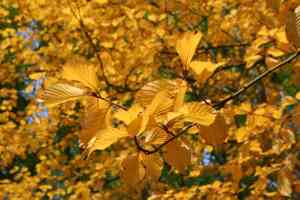
One of the easiest ways to ascertain if your Korean mountain ash is receiving the correct amount of sunlight is by observing the hue and health of its leaves. Healthy leaves should be lush, green, and free from significant discoloration. If you notice the leaves turning yellow or appearing scorched, it might indicate too much or too little sunlight. Regular inspection of the foliage can offer valuable insights into whether the current light exposure is suitable.
Monitoring Growth Characteristics
Another method to evaluate proper sunlight exposure is by tracking the growth patterns of your Korean mountain ash. Under ideal sunlight conditions, the tree will display consistent, robust growth with well-spaced branches and a dense canopy. Stunted development, elongated stems, or sparse foliage can be signs of insufficient sunlight. Continuously monitor the growth pattern to ensure the tree is thriving in its environment.
Impact of Excessive or Insufficient Sunlight on Korean mountain ash
Effects of Overexposure to Sunlight
While Korean mountain ash favors sunny conditions, too much direct sunlight can lead to leaf burn and dehydration. Excessive sunlight can cause the leaves to become dry, brittle, and develop brown edges. To alleviate this, ensure the tree has sufficient water and consider providing some afternoon shade during the hottest summer months to shield it from the intense mid-day sun.
Consequences of Inadequate Sunlight
Insufficient sunlight can also present challenges for the Korean mountain ash. When deprived of enough light, the tree may experience stunted growth, reduced leaf density, and a paler leaf color. These conditions arise because the tree cannot photosynthesize effectively without adequate sunlight. If you observe these signs, consider moving the tree to a sunnier location or pruning nearby plants that may be casting shadows.
Optimal Planting Sites for Korean mountain ash
Choosing the Ideal Spot in Your Garden
Selecting the correct location in your garden is vital for the healthy development of your Korean mountain ash. Seek an area that receives uninterrupted sunlight for most of the day, preferably a south-facing position. Ensure the site has well-drained soil and is away from the shade of larger trees or structures to help the tree reach its full potential.
Container Cultivation Advice
If you choose to plant your Korean mountain ash in a container, select a large pot that allows for proper root expansion. Place the container in a sunlit area, such as a patio or balcony that receives ample direct sunlight. Ensure the pot has good drainage, and water the tree regularly to keep the soil moist but not waterlogged. Containerized trees might require more frequent monitoring for nutrient and water needs.
Seasonal Light Requirements for Korean mountain ash
Spring and Summer Light Needs
During the spring and summer months, Korean mountain ash should receive maximum sunlight exposure, which directly supports its active growth phase. Ensure the tree is positioned to absorb as much full sun as possible during these seasons to enhance its foliage density and overall vigor.
Fall and Winter Light Requirements
In fall and winter, while sunlight exposure remains crucial, the tree's growth rate slows down. As the days shorten and sunlight becomes scarcer, ensure the tree still receives sufficient light, though it can tolerate reduced light intensity during these dormant periods. Strategic pruning during late winter can also help the tree receive better sunlight in the next growing season.



