How Much Sunlight Do Texas mountain laurel Need?
1
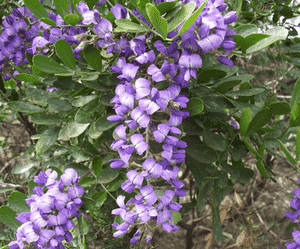
Texas mountain laurel flourishes optimally when exposed to direct sunlight for a minimum of six hours daily.
2
Ample light promotes better flowering, leading to vivid and plentiful blossoms.
3
Adequate sun exposure aids the plant in better fending off typical pests and illnesses.
Optimal Light Conditions for Texas mountain laurel
Abundant Sunshine
For peak development, Texas mountain laurel thrives in full sun. This means it needs at least six hours of direct sunlight daily. Ample sun ensures the plant gains the energy required for lush green leaves and stunning purple blooms. Ideally, position your Texas mountain laurel where it gets morning sun, which is typically less harsh and helps prevent leaf scorch during hot afternoons.
Partial Exposure
While full sun is preferred, Texas mountain laurel can still flourish in partial sun. This implies it can endure approximately 3 to 6 hours of direct sunlight each day. If your garden or planting site lacks full-day sun, aim to provide as much light as possible, ensuring no prolonged periods of shade that could hinder the plant's growth and flowering.
Avoiding Darkness
Consistent shade is detrimental to Texas mountain laurel. A shaded environment can result in elongated growth, poor blooming, and overall weak health. If your plant is in a dark area, consider moving it to a sunnier spot or pruning nearby foliage to increase light exposure. Remember, the goal is to maximize the direct sunlight the plant receives daily.
Advantages of Adequate Sunlight for Texas mountain laurel
Enhanced Bloom Production
Sufficient sunlight exposure significantly boosts the flowering of Texas mountain laurel. Sunlight initiates the blooming process, ensuring the plant produces its characteristic vibrant and fragrant blossoms. Without enough sunlight, you might observe fewer and less vibrant flowers, which are a primary appeal of this plant.
Robust Development
Sunlight is a crucial element for the healthy development of Texas mountain laurel. It aids in photosynthesis, essential for generating energy for growth. Adequate sunlight ensures the plant develops strong roots, dense foliage, and a sturdy structure, enabling it to withstand various environmental stressors.
Pest and Disease Resistance
Plants receiving proper sunlight are generally healthier and more resilient against pests and diseases. For Texas mountain laurel, sunlight strengthens its natural defenses, making it less vulnerable to common issues like leaf spots and fungal infections. Healthy, sun-exposed plants are better equipped to naturally ward off unwanted pests.
Indicators Texas mountain laurel Needs More Light
Reduced Flowering
One of the initial signs your Texas mountain laurel requires more sun is diminished flowering. If the plant isn't producing as many flowers as anticipated, or the blooms are smaller and less vibrant, it indicates a need for increased light exposure.
Stretched Growth
Elongated growth, characterized by long, slender stems that appear to reach for light, is another indicator. This occurs when the plant is desperately seeking more sunlight. Adjusting the plant's position to a brighter spot can help rectify this issue.
Leaf Discoloration
Pale or yellowing leaves on Texas mountain laurel could also suggest insufficient sunlight. Healthy leaves should be a deep, vivid green. Discoloration signifies that the plant isn't photosynthesizing effectively due to inadequate light.
Adjusting Light for Texas mountain laurel in Various Climates
Warm Regions
In warm climates, shielding your Texas mountain laurel from intense afternoon sun is vital. While the plant enjoys sunlight, scorching midday rays can be detrimental. Aim to provide some shade during the hottest part of the day, perhaps by planting near taller plants or structures that can offer some protection.
Cooler Regions
For those in colder climates, maximizing sunlight is essential. Position the plant in the sunniest available spot, ideally where it can receive morning and afternoon sun. If sunlight is scarce, consider using reflective surfaces to direct more light onto the plant.
Fluctuating Climates
In areas with fluctuating climates, where weather patterns change frequently, adaptability is key. During sunny periods, ensure the Texas mountain laurel receives its necessary sun exposure, while during overcast or rainy spells, you might consider supplementary lighting options like grow lights to maintain its health.
Advice for Providing Optimal Light to Texas mountain laurel
Selecting the Correct Planting Site
Choosing the right location is the most crucial step. Select a site with unobstructed access to sunlight for a significant portion of the day. Avoid areas shaded by buildings, trees, or other large plants that could block the light the Texas mountain laurel requires.
Utilizing Reflective Ground Cover
Reflective mulch can be a game-changer for boosting light exposure. It works by reflecting sunlight upward, ensuring even the lower parts of the plant receive adequate light. Reflective mulch can be particularly beneficial in areas where direct sunlight is somewhat limited.
Pruning for Enhanced Light Penetration
Regular pruning can improve light penetration to all parts of the plant. By trimming away overgrown or dense foliage, you allow more light to reach the inner and lower sections of the Texas mountain laurel, promoting even growth and health.



