How Much Sunlight Do Showy goldenrod Need?
1
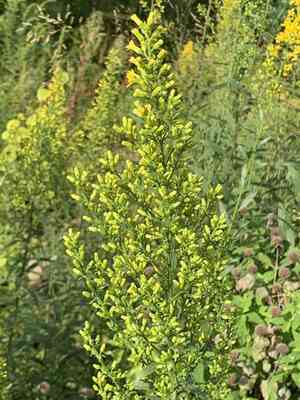
Showy goldenrod flourishes in ample sunshine, needing more than 6 hours of direct light each day.
2
Although it favors full sun, Showy goldenrod can endure some shade, particularly on warm summer afternoons.
3
Observing the light conditions can aid in avoiding problems stemming from insufficient or excessive sun for your Showy goldenrod.
Optimal Light Conditions for Showy Goldenrod
Full Sun Requirements
For peak development and vibrant blossoms, Showy goldenrod needs to be situated where it receives ample direct sunlight. This means it requires a minimum of 6 hours of direct sun daily. Full sun promotes vigorous growth and ensures the plant produces its characteristic bright yellow flowers. When placed in ideal sunny spots, Showy goldenrod can illuminate any garden with its brilliant blooms.
Partial Sun Adaptability
While Showy goldenrod flourishes in full sun, it can also adapt to conditions with partial sunlight. During exceptionally hot summer days, some shade, especially in the afternoon, can help shield the plant from intense heat. This flexibility makes Showy goldenrod a versatile plant, suitable for various garden settings, whether fully exposed to sun or partially shaded.
Seasonal Light Needs
The light requirements of Showy goldenrod can vary throughout the year. In spring and autumn, when the sun is less intense, full exposure is perfect. However, during the height of summer, the plant benefits from a few hours of shade to prevent potential scorching. Adjusting the plant's position or providing some cover during these times can ensure optimal growth and flowering year-round.
Ensuring Showy Goldenrod Receives Adequate Sunlight
Selecting the Correct Location
Choosing the appropriate site for planting Showy goldenrod is vital for meeting its light demands. Seek out areas in your garden that get full sun for most of the day, ideally with at least 6 hours of direct sunlight. A south-facing or west-facing spot is typically best for sufficient exposure.
Adjusting Plant Placement
If your garden conditions change or nearby trees and plants begin to cast more shade, you might need to relocate your Showy goldenrod to maintain sufficient light. Consider planting it in movable containers, allowing flexibility in repositioning according to seasonal sun patterns. This adaptability ensures your plant receives consistent sunlight throughout the year.
Monitoring Light Exposure
Regularly observing sunlight exposure is crucial. Watch the plant throughout the day to confirm it's getting enough light, especially if it's in a new spot. Use a light meter or simply track the hours of direct sun. Modify your garden setup if the plant starts showing indications of too little or too much sunlight.
Effects of Insufficient or Excessive Sunlight on Showy Goldenrod
Signs of Light Deficiency
Inadequate sunlight can impede the growth of Showy goldenrod. Common indicators include elongated stems as the plant stretches for more light, fewer flowers, and pale or yellowish foliage. If you observe these symptoms, consider moving the plant to a sunnier location or pruning any overhanging branches that might be blocking light.
Symptoms of Plant Sunburn
Too much sunlight, particularly during the hottest part of the day, can cause sunburn in Showy goldenrod. Symptoms include scorched leaves with brown or yellow patches and general wilting. Providing partial shade in the afternoon or moving the plant to a slightly protected area can help alleviate these effects and maintain plant health.
Optimizing Growth Through Proper Sunlight
Balancing Light for Peak Bloom
A balanced approach to light exposure ensures Showy goldenrod flourishes. While it requires full sunlight for the best flowering, shielding it from intense afternoon sun during summer can prevent stress and scorching. This balance can be achieved by planting it in a spot that receives morning sun and afternoon shade, or by using a garden shade cloth.
Complementing Sunlight with Other Care
Sunlight is just one component of caring for Showy goldenrod. Proper irrigation, especially during dry spells, and providing well-drained soil can complement light exposure for optimal growth. Regularly check soil moisture and avoid overwatering to prevent root rot. Mulching around the plant can also help retain moisture and regulate soil temperature.



