How Much Sunlight Do Wrinkleleaf goldenrod Need?
1
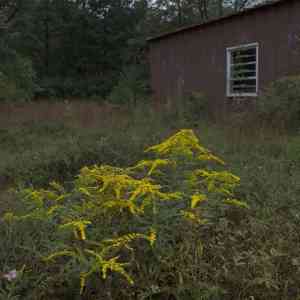
Wrinkleleaf goldenrod flourishes with a minimum of 6 hours of direct sun daily.
2
Although it favors full sun, Wrinkleleaf goldenrod can endure some shade.
3
Wrinkleleaf goldenrod benefits from slow adjustments to sun exposure, particularly with changing seasons.
Grasping Wrinkleleaf goldenrodâs Light Requirements
The Vital Role of Sunlight for Wrinkleleaf goldenrod
Sunlight is essential for Wrinkleleaf goldenrod as it powers photosynthesis, the process by which plants convert light energy into chemical energy for growth and vitality. Without sufficient light, this plant cannot perform optimally, leading to stunted growth, fewer flowers, and reduced resistance to pests and diseases.
Ideal Sunlight Exposure for Wrinkleleaf goldenrod
Wrinkleleaf goldenrod flourishes in full sun, meaning it needs at least 6 hours of direct sunlight daily. This amount of light ensures the plant gets enough energy for its growth cycles, blooming, and overall health. While it can endure partial sun, the best flowering and foliage results occur with consistent full sun exposure.
Optimal Practices for Light Management
Selecting the Perfect Garden Location
To position your Wrinkleleaf goldenrod optimally, choose a garden area that receives uninterrupted sunlight throughout the day. South-facing spots are typically ideal, offering the most light. Ensure no other plants or structures cast prolonged shadows over your goldenrod.
Seasonal Light Changes and Adjustments
Throughout the year, light intensity and duration fluctuate. During spring and summer, the sun is higher and days are longer, providing more light. In fall and winter, sunlight is less intense and days are shorter. Gradually adapt your plant's exposure by carefully trimming nearby foliage or relocating the plant if necessary to maintain adequate light, especially in climates with significant seasonal shifts.
Common Light Issues and Solutions
Signs of Insufficient Sunlight
When Wrinkleleaf goldenrod receives too little sunlight, it often displays etiolated growth, where stems become elongated and weak with sparse leaves. Additionally, you might observe fewer or smaller blooms. The plant may also appear paler or more yellow than usual due to inadequate chlorophyll production.
Signs of Excessive Sunlight
Conversely, if Wrinkleleaf goldenrod is exposed to too much intense sunlight without sufficient moisture, it can show signs of sun scorch, such as browned, burned leaf edges and tips. The plant might also wilt during the hottest parts of the day, even if the soil is moist.
Corrective Measures for Light Imbalances
To fix light imbalances, ensure your Wrinkleleaf goldenrod is properly situated with optimal sunlight exposure. If light is insufficient, move the plant to a brighter spot or prune nearby plants that block light. For excessive sunlight issues, consider using a shade cloth during peak sun hours or providing more frequent watering to prevent stress and scorching.
FAQs Regarding Wrinkleleaf goldenrod Sunlight
Can Wrinkleleaf goldenrod Thrive in Partial Shade?
Yes, Wrinkleleaf goldenrod can grow in partial shade. While it performs best with full sun, it can tolerate conditions with less direct sunlight. In partial shade, ensure the plant still receives a few hours of direct sunlight or is exposed to bright, indirect light throughout the day to maintain healthy growth and flowering.
How Does Light Influence Bloom Time?
Sunlight significantly affects the blooming cycle of Wrinkleleaf goldenrod. Adequate sunlight ensures robust and timely blooms, typically appearing from late summer to early fall. In contrast, insufficient sunlight can delay flowering or result in fewer and smaller blooms, diminishing the plant's overall aesthetic appeal and ecological value.



