How Much Sunlight Do Silverrod Need?
1
Silverrod thrives with a minimum of 6 hours of direct sun exposure each day.
2
When situated in partial shade, Silverrod needs 3-6 hours of sun.
3
Observe Silverrod foliage for indications of excessive or insufficient illumination.
Ideal Light Conditions for Silverrod
Full Sun Requirements
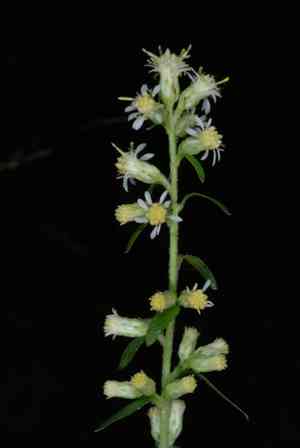
For Silverrod to flourish and display its delicate white blossoms, it performs best with ample sunlight. In horticultural terms, full sun means at least six hours of unobstructed, direct solar exposure daily. Under full sun, Silverrod achieves its peak growth potential, yielding sturdy stems and vibrant blooms. Optimal locations are south-facing garden areas unshaded by trees or structures.
Partial Shade Preferences
Silverrod is quite versatile and can endure partial shade conditions, where it receives between 3 to 6 hours of direct sunlight. While not ideal, this light level still permits plant growth, though with slightly fewer flowers. This flexibility makes Silverrod a good option for gardens with varied light exposures, such as beneath taller shrubs or on the east or west sides of your residence.
Adjusting to Various Light Levels
One of Silverrod's significant benefits is its adaptability. Although it prefers full sun, it can still manage in partial shade. However, if you observe your Silverrod flowering poorly or becoming elongated, it might be struggling due to insufficient light. Conversely, if the leaves appear scorched or wilted, the plant may be receiving too much direct sunlight, especially in extremely hot climates.
Determining Proper Sunlight Exposure for Silverrod
Signs of Sufficient Sunlight
A Silverrod receiving adequate sunlight will exhibit healthy, vivid green foliage and consistent blooming during its flowering season. The plant will grow upright, with robust stems and abundant flowers. Regularly check for new growth as an indicator that the plant is getting the correct amount of sunlight.
Indicators of Sunlight Deficiency
If Silverrod isn't getting enough sunlight, it may show signs of etiolation, where the stems become unusually long and weak. The leaves might turn pale, and the plant may not flower as profusely. Watch for these indicators and consider moving your plant to a sunnier spot if necessary.
Symptoms of Excessive Sun Exposure
Though Silverrod loves the sun, too much exposure, particularly in hotter climates, can cause damage. Look for signs such as leaf scorching, browning, or wilting, which suggest the plant is stressed from too much sun. Providing partial shade during the hottest part of the day can alleviate this issue.
Best Practices for Ensuring Optimal Sunlight for Silverrod
Selecting the Right Garden Location
To give your Silverrod the best start, plant it in a spot that guarantees full sun exposure for a minimum of 6 hours daily. Consider south-facing areas which generally receive the most sunlight in the northern hemisphere. Ensure the location is free from shadows cast by buildings or large trees.
Utilizing Garden Structures to Regulate Sunlight
Garden structures like trellises, pergolas, or even strategically placed umbrellas can help manage the amount of sunlight Silverrod receives. These can be especially useful in moderating the intensity of midday sun during warmer months, ensuring the plant does not get scorched.
Seasonal Adjustments for Sunlight Exposure
As seasons change, so does the sun's position and the duration of daylight. In spring and fall, when the sun is less intense, ensure Silverrod gets its full light quota. In summer, monitor for signs of overheating and protect with shade when needed. In winter, ensure the plant is in a bright spot to maximize limited daylight.
Common Questions About Silverrod and Sunlight
Can Silverrod Grow in Low Light Conditions?
While Silverrod can tolerate some shade, it does not flourish in low light conditions. In areas with minimal light, the plant may survive but will likely appear leggy and produce fewer flowers. For optimal health and growth, ensure it gets at least 3-6 hours of direct sunlight.
How Many Hours of Sunlight Should Silverrod Receive Daily?
Silverrod should receive a minimum of 6 hours of direct sunlight each day for optimal growth and flowering. In areas with strong afternoon sun, morning sunlight can be sufficient while providing shade during the hottest part of the day.
Can Silverrod Thrive Indoors?
Silverrod is typically an outdoor plant and requires more light than typical indoor environments can provide. While indoor growth is challenging, using grow lights can help simulate the full sun conditions needed. However, keeping Silverrod as an outdoor garden plant is generally recommended for best results.



