How Much Sunlight Do Western blue-eyed grass Need?
1
Western blue-eyed grass flourishes in locations receiving over 6 hours of direct sunlight each day.
2
Although it favors abundant sun, Western blue-eyed grass can endure partially shaded conditions.
3
Inadequate light exposure may result in diminished blooms and less robust development for Western blue-eyed grass.
How Much Sunlight Does Western blue-eyed grass Need?
Ideal Sunlight Exposure
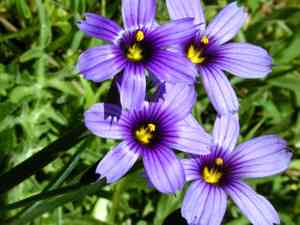
Western blue-eyed grass, a charming grass-like perennial, flourishes best with full sun. Ideally, this plant should receive six or more hours of direct sunlight daily. Consistent exposure to full sunlight promotes vibrant blooms and robust growth, showcasing its lovely blue-violet flowers. If your garden can provide over six hours of direct sunlight, you're ensuring optimal conditions for your Western blue-eyed grass plants to thrive.
Effects of Insufficient Sunlight
When Western blue-eyed grass doesn't get enough sunlight, it faces various growth challenges. The most noticeable effect is reduced flowering. Without adequate sunlight, the plant produces fewer blooms, diminishing its visual appeal. Additionally, the grass can become leggy or stretched as it seeks more light. Ensuring sufficient sunlight is crucial for maintaining its health and aesthetic value.
Signs of Too Much Sunlight
Although Western blue-eyed grass loves sunlight, excessive exposure in extremely hot conditions can cause stress. Signs that your plant may be receiving too much sunlight include wilting during peak sunny hours and scorched leaf tips. To protect your plant, consider providing some shade during the hottest parts of the day, especially in climates with intense summer heat.
Best Locations for Planting Western blue-eyed grass
Outdoor Planting Spots
When choosing an outdoor spot for Western blue-eyed grass, look for areas that receive full sun for most of the day. Ideal locations include open garden beds, the front of flower borders, or sunny slopes. Well-drained soil with moderate fertility is perfect for encouraging these plants to thrive. Avoid areas shaded by buildings or dense foliage that can block sunlight.
Indoor Growing Tips
Growing Western blue-eyed grass indoors can be more challenging due to light requirements. Ensure your plant is placed near a south-facing window where it can receive ample sunlight throughout the day. If natural light is insufficient, supplement with grow lights for at least 6 hours daily. Maintaining good air circulation and preventing excess humidity can also help mimic outdoor conditions.
Seasonal Sunlight Considerations for Western blue-eyed grass
Spring and Summer Light Requirements
During spring and summer, Western blue-eyed grass enters its peak growing period. Ensure the plant receives consistent full sun exposure, ideally 6 to 8 hours daily. This period is crucial for flowering and vigorous growth, so don't hesitate to relocate pots or trim back other plants that might cast shadows on your Western blue-eyed grass.
Fall and Winter Light Adjustments
In fall and winter, sunlight intensity and duration naturally decrease. While Western blue-eyed grass can handle partial sun during these months, try to place it in the brightest spot available. Indoor plants may need additional artificial light sources like grow lights to compensate for reduced natural light. Regularly clean windows and reflective surfaces to maximize available sunlight.
Enhancing Sunlight for Western blue-eyed grass
Using Reflective Surfaces
You can enhance sunlight exposure for your Western blue-eyed grass by using reflective surfaces. Placing reflective materials such as aluminum foil or reflective garden mats around the base of the plants can help direct more light towards them. This is especially helpful for indoor setups or when plants are in partially shaded areas.
Pruning Nearby Plants
To prevent shading and ensure your Western blue-eyed grass receives ample sunlight, regularly prune surrounding plants and trees. This helps eliminate any potential barriers to sunlight, allowing for maximum light absorption. Strategic pruning can make a significant difference, particularly in gardens with dense foliage.



