How Much Sunlight Do Common houseleek Need?
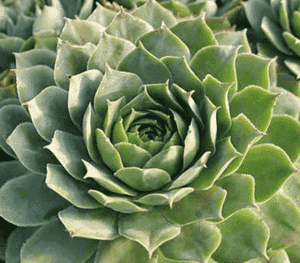
1
Sempervivum tectorum flourishes with a minimum of six hours of direct sun each day.
2
While these succulents can endure some shade, their vivid coloration might diminish if light is inadequate.
3
Placing Sempervivum tectorum in a south or west-facing spot will optimize its exposure to sunlight.
Ideal Light Conditions for Hens-and-Chicks
Full Sun Requirements
The Hens-and-Chicks, recognized for its robust and drought-tolerant nature, thrives best when exposed to full sun. Full sun signifies at least six hours of direct, unobstructed sunlight daily. This consistent illumination is vital for Hens-and-Chicks to maintain its vibrant pigmentation and foster robust development. Position your plant to receive this continuous light level to ensure it reaches its maximum potential.
Partial Shade Tolerance
Although Hens-and-Chicks prefers full sun, it can endure partial shade. However, in these conditions, the plant might not sustain the same color intensity and vitality. Partial shade implies less than four hours of direct sunlight daily or diffused light throughout the day. If full sun isn't feasible, ensure the plant receives filtered sunlight for most of the day to prevent it from stretching and losing its characteristic compact rosette shape.
Placing Hens-and-Chicks for Optimal Light Exposure
Ideal Garden Locations
For garden placement, select areas that receive extended periods of sunlight. South or west-facing spots are optimal as they capture the most sun throughout the day, providing your Hens-and-Chicks with necessary energy. Avoid overly shaded spots, such as beneath dense tree canopies, which can block essential light.
Container Placement Advice
If cultivating Hens-and-Chicks in containers, their portability offers an advantage. Place containers on patios, balconies, or windowsills where light is abundant. South-facing windows offer superb exposure, leading to healthier plants. In warmer climates, containers allow for temporary shading during peak sun hours to prevent potential sun damage while ensuring the plant still gets ample light.
Indicators Your Hens-and-Chicks Needs More or Less Light
Sunburn Symptoms
Excessive exposure to intense sunlight, particularly during extremely hot weather, can cause sunburn on Hens-and-Chicks. Watch for signs of discoloration, such as browning, bleached spots, or crisp leaves. If these symptoms appear, consider moving the plant to a slightly shadier location or providing temporary shade cloth to lessen direct exposure during the hottest parts of the day.
Signs of Light Deficiency
If Hens-and-Chicks isn't getting adequate light, it will display certain characteristic symptoms. These include elongated stems, faded colors, and a general lack of vigor. The plant may stretch toward available light sources, becoming 'leggy'—an indication it's compensating for insufficient sunlight. To rectify this, gradually relocate the plant to a brighter spot to avoid shock.
Adjusting Light Levels for Indoor Hens-and-Chicks
Utilizing Grow Lights
For indoor cultivation, especially when natural light is scarce, grow lights can be an effective solution. LED grow lights are the preferred choice due to their energy efficiency and spectrum optimized for plant development. Position the lights approximately 12-18 inches (30-45 cm) above the plant for best results, mimicking the natural sunlight exposure that Hens-and-Chicks requires.
Best Indoor Placements
If relying on natural light indoors, place your Hens-and-Chicks in the brightest available spot. South-facing windows are ideal as they provide the most consistent light all day long. If a south-facing window isn't an option, east or west-facing windows can also work, though you might need to supplement with grow lights during shorter winter days.



