How Much Sunlight Do Selaginella tamariscina Need?
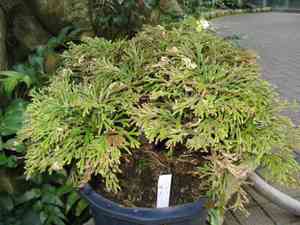
1
Selaginella tamariscina flourishes with ample, filtered light and must be shielded from direct solar exposure.
2
Insufficient or excessive illumination can lead to evident signs of strain in Selaginella tamariscina, including leaf discoloration or impeded development.
3
Optimal indoor placements for Selaginella tamariscina involve windows facing east or north, providing softer illumination throughout daylight hours.
Ideal Light Conditions for Selaginella tamariscina
Indirect Light Requirements
For Selaginella tamariscina to flourish, it requires bright, diffused illumination. This means situating it where it receives ample natural light without direct exposure to the sun's rays. Optimally, aim for a location where the plant benefits from approximately 3-6 hours of this light type daily. Consider areas like rooms with east or north-facing windows where sunlight is softer and more scattered.
Avoiding Direct Sunlight
Direct solar exposure can be detrimental to Selaginella tamariscina. The intense radiation, particularly during midday, can scorch its delicate foliage, leading to discoloration and overall health decline. To prevent this, keep the plant away from windows that receive strong afternoon or midday sun. If necessary, employ sheer curtains to filter light or position the plant a few feet from the window to diffuse direct rays.
Recognizing Light-Related Issues in Selaginella tamariscina
Symptoms of Excessive Sun
If your Selaginella tamariscina is receiving too much sunlight, you'll observe specific indicators. The leaf edges may become brown or crisp, and you might notice bleaching or yellowing in areas directly exposed to the sun. Another sign is stunted or slowed growth, as the plant prioritizes repairing damage from overexposure. Adjust the plant's position promptly upon noticing these symptoms.
Symptoms of Insufficient Light
Conversely, inadequate light can also cause issues for your Selaginella tamariscina. If the plant appears leggy or elongated, it's likely stretching to find more light. Furthermore, the foliage might lose its vibrant hue, turning darker or an unhealthy green, and overall growth may decelerate. Move your plant to a brighter spot, but avoid direct sun, to rectify this problem.
Optimal Indoor Locations for Selaginella tamariscina
Ideal Placement in Your Home
Selecting the perfect spot in your home for Selaginella tamariscina is vital. Consider placing it near east or north-facing windows, which offer consistent, gentle light throughout the day. Bathrooms or kitchens with good natural light can also be excellent locations, thanks to the added humidity, which this plant favors. Steer clear of areas with strong drafts or frequent temperature fluctuations, as these conditions can stress the plant.
Utilizing Supplemental Lighting
If natural light is insufficient, especially during shorter winter days, you can supplement your Selaginella tamariscina's lighting with artificial sources. Fluorescent lights or full-spectrum LED grow lights are effective in providing the necessary brightness this plant requires. Position the light source approximately 30-45 centimeters (12-18 inches) above the plant and ensure it remains on for about 12-14 hours daily to mimic natural daylight.
Seasonal Light Adjustments for Selaginella tamariscina
Adapting to Seasonal Changes
Selaginella tamariscina demands some attention as the seasons shift. During spring and summer, the plant typically receives ample indirect sunlight, but as autumn and winter arrive, you may need to relocate it closer to a light source to compensate for shorter days and weaker sunlight. Regularly assess the amount of light your plant receives and adjust its positioning as necessary to ensure its continued well-being.
Managing Winter Light Levels
Winter months can pose particular difficulties for maintaining adequate light levels for Selaginella tamariscina. Reduced daylight hours mean less natural illumination, so you might need to rely more heavily on artificial light sources. Ensure the plant is not placed too near heaters or radiators, as the dry air can be detrimental. Balancing light with sufficient humidity can help keep your plant robust during these challenging months.



