How Much Sunlight Do Tree stonecrop Need?
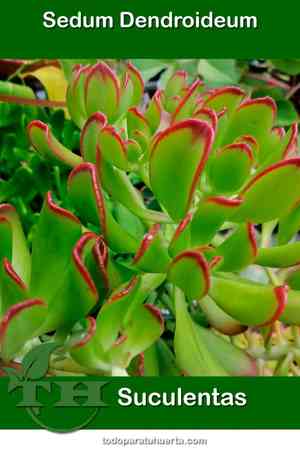
1
Tree stonecrop flourishes with over six hours of daily sun exposure.
2
Indications of excessive sun include scorched foliage and fading color.
3
In colder months, indoor Tree stonecrop might require additional illumination.
Optimal Light Requirements for Tree stonecrop
Ideal Daily Sun Exposure
For peak development, Tree stonecrop thrives in direct sunlight. This means it requires at least six hours of unfiltered sun each day. Positioning your Tree stonecrop in a bright location ensures vivid foliage and vigorous development. While it can endure partial shade, full sun maximizes its decorative qualities.
Optimal Sun Orientation
When arranging for the best light exposure, consider situating your Tree stonecrop facing south or west. These directions typically provide the strongest and most consistent illumination throughout the day, fostering healthy and robust growth. Avoid placing it in north-facing spots, which may not offer sufficient light.
Consequences of Excessive Sunlight for Tree stonecrop
Indicators of Sun Damage
Similar to humans, plants can suffer from too much sun. Tree stonecrop will display signs of sun damage if exposed to excessive light. Look for symptoms such as brown or white patches on the leaves, which indicate sunscald. In severe instances, foliage might become brittle and damaged.
Preventative Strategies
To prevent sun damage, gradually introduce your Tree stonecrop to increased sunlight if it has been in a shaded environment. You can also provide cover during peak sun hours, between 10 AM and 4 PM, using a shade cloth or by temporarily relocating the plant.
Can Tree stonecrop Flourish in Dim Light?
Impacts of Insufficient Illumination
While Tree stonecrop is resilient, it does not perform well in low-light conditions. Inadequate sunlight can lead to elongated, weak growth, and dull, less vibrant leaf coloration. The plant might also become leggy as it stretches towards the light, diminishing its aesthetic appeal.
Supplemental Lighting Recommendations
If natural sunlight is insufficient, especially during the shorter days of winter, consider utilizing grow lights. LED grow lights are effective and should be positioned approximately 12 inches (30 centimeters) above the plant. Ensure the lights are active for 12-14 hours daily to simulate natural sunlight.
Seasonal Light Variations for Tree stonecrop
Summer Light Considerations
In the summer, Tree stonecrop benefits from abundant sunlight. However, extreme heat can be a concern. It's vital to provide ample water to prevent the soil from completely drying out. A bit of afternoon shade can also protect the plant from scorching.
Winter Light Requirements
During winter, sunlight is less intense and days are shorter. This reduced light can impact the growth of your Tree stonecrop. Move indoor plants closer to windows or use supplementary lighting to ensure they continue receiving enough light to thrive during this period.
Placement Advice for Optimal Sun Exposure
Indoor Positioning
For indoor placement, position your Tree stonecrop near south or west-facing windows where it can receive ample direct sunlight. Avoid placing it too close to cold drafts or heat sources. Rotating the plant every few weeks ensures uniform growth on all sides.
Outdoor Positioning
Outdoors, Tree stonecrop should be planted in areas that receive full sun. A spot in the garden with good air circulation and a balance of morning and afternoon sun works best. Be mindful of extreme conditions and provide some shelter if necessary to protect from harsh midday sun.



