How Much Sunlight Do Goldmoss stonecrop Need?
1
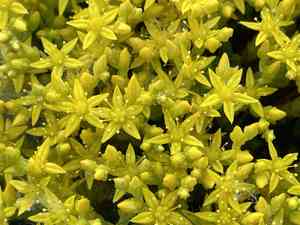
Goldmoss stonecrop flourishes optimally with more than 6 hours of daily sun exposure.
2
Ample sunlight encourages robust development and vivid hues in Goldmoss stonecrop.
3
While resilient, Goldmoss stonecrop might exhibit distress if light conditions are suboptimal.
What are the Light Requirements for Goldmoss Stonecrop?
Optimal Illumination for Robust Development
For peak vitality, Goldmoss stonecrop needs complete sun exposure. This means ensuring your plant receives over six hours of direct sunlight daily. Full sun not only encourages strong development but also intensifies the vivid gold and green shades of its foliage. If cultivating Goldmoss stonecrop outdoors, select a garden spot that gets ample sunlight throughout the day. Indoors, position it in a bright location, such as a south-facing window, to replicate these conditions.
Potential Light-Related Issues
Goldmoss stonecrop is quite resilient, but problems can emerge if it doesn't receive the correct amount of light. Excessive intense sunlight can cause leaf burn, while insufficient light may lead to elongated growth and dull coloration. Observing your stonecrop and making necessary modifications will help prevent these potential problems.
How to Recognize Light Stress in Goldmoss Stonecrop?
Indicators of Excessive Sun Exposure
While Goldmoss stonecrop typically thrives in sunlight, overexposure can cause harm. Signs of too much sun include browning or scorched leaves. If you observe these symptoms, consider providing some afternoon shade or moving the plant to a slightly less exposed position.
Indicators of Insufficient Light
If your Goldmoss stonecrop isn't getting enough light, it might display signs such as stretched or spindly growth, which is the plant's attempt to reach more sunlight. The vibrant colors may also diminish, making the plant appear less healthy and vigorous. Relocating your plant to a sunnier spot can help alleviate these symptoms.
Best Practices for Providing Light to Goldmoss Stonecrop
Ideal Placement in Your Garden or Home
When planting Goldmoss stonecrop in your garden, choose a location with full sun exposure. Excellent spots could be along pathways, rock gardens, or borders where sunlight is abundant. Indoors, south or west-facing windows are prime locations. This placement ensures the plant receives adequate sunlight for vibrant and healthy growth.
Seasonal Light Adjustments
Goldmoss stonecrop can adapt to seasonal changes in sunlight, but it might require modifications during extreme conditions. In summer, if the sun is too strong, providing partial shade during peak afternoon hours can safeguard the plant. Conversely, in winter, moving indoor plants closer to windows can compensate for reduced light levels.
Can Goldmoss Stonecrop Flourish in Indirect Light?
Indirect vs. Direct Illumination
Goldmoss stonecrop prefers direct sunlight, but it can endure partial sunlight, which includes indirect light. Indirect sunlight occurs when the sun's rays do not directly strike the plant but reflect off other surfaces. This situation can work, but the plant might not be as vibrant or grow as quickly compared to being in full sun.
Tips for Successful Cultivation in Shaded Areas
If growing Goldmoss stonecrop in a shaded area, ensure it still receives a few hours of morning sunlight or dappled light throughout the day. Utilizing reflective surfaces or white-walled pots can help direct light onto the plant. Regularly monitor the plant for any signs of stress or color alteration and adjust its position accordingly.



