How Much Sunlight Do Baikal skullcap Need?
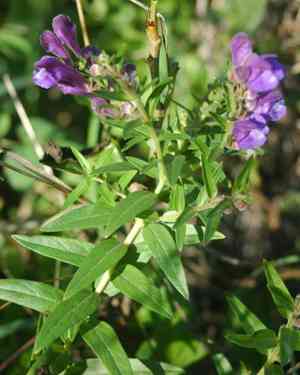
1
Baikal skullcap flourishes when exposed to a minimum of 6 hours of unblocked sunlight each day.
2
Employing a light measuring device can assist in providing your Baikal skullcap with ideal illumination.
3
Amplify supplemental lighting if cultivating Baikal skullcap inside.
Decoding the Light Needs of Baikal Skullcap
The Essential Role of Sunlight for Baikal Skullcap
Sunlight provides Baikal skullcap with the necessary energy for fundamental biological functions, particularly photosynthesis. Sufficient sunlight guarantees the plant's lively green foliage and robust root systems, contributing to its overall health.
Photosynthesis and Plant Vitality
Photosynthesis is how Baikal skullcap transforms light into energy, utilizing it for growth and development. Without ample light, the plant cannot generate the nutrients vital for strong health. Ensuring enough sunlight is crucial for maintaining its lush, verdant appearance and promoting vigorous growth.
Ideal Sunlight Conditions for Baikal Skullcap
Full Sun vs. Partial Shade: Which is Preferable?
Baikal skullcap generally flourishes best in full sun environments. This signifies it receives direct sunlight for over six hours daily. However, it can also withstand partial shade, meaning it gets 3-6 hours of direct sunlight, often with some filtered light.
Daily Sunlight Exposure Duration
For prime growth, Baikal skullcap should receive at least 6 hours of direct sunlight each day. This period guarantees the plant acquires enough light to support healthy development and abundant blooming. Less than this can result in stunted growth and fewer flowers.
How to Gauge Sunlight for Baikal Skullcap
Utilizing Light Meters and Sun Charts
A light meter is a convenient tool to accurately measure the amount of light your Baikal skullcap receives. Sun charts can also assist you in tracking sunlight exposure throughout the day, ensuring your plant gets the optimal quantity.
Observing Plant Behavior and Development
Pay close attention to your Baikal skullcap's growth patterns and leaf coloration. Healthy, uniformly growing plants with rich, green leaves are good indicators that your Baikal skullcap is receiving adequate sunlight. If you notice stretched growth or pale leaves, it may signal a light deficiency.
Adjusting Sunlight for Indoor Baikal Skullcap
Artificial Illumination Options
When cultivating Baikal skullcap indoors, consider employing artificial lights to compensate for insufficient natural sunlight. LED grow lights are energy-efficient and can be customized to deliver the light spectrum Baikal skullcap requires for growth.
Placement Near Windows
Position your Baikal skullcap near south-facing windows to maximize sunlight exposure. East or west-facing windows can also work, but you might need to supplement with artificial light, especially during shorter winter days.
Common Sunlight Challenges and Solutions for Baikal Skullcap
Indicators of Excessive Sunlight
If your Baikal skullcap is exposed to too much direct sunlight, you might observe scorched leaves, wilting, or browning. These symptoms suggest the plant requires some protection, such as a shaded area during the warmest part of the day.
Indicators of Insufficient Sunlight
Baikal skullcap grown in too little light will often become leggy with sparse foliage and pale leaves. To rectify this issue, gradually introduce your plant to more direct sunlight or extend the duration of artificial lighting.
Harmonizing Light Exposure
Achieving the ideal balance can necessitate some experimentation. Closely monitor your plant, adjusting its position as needed to ensure it receives ample light without getting scorched. This diligent observation is crucial for maintaining your Baikal skullcap's health and vibrancy.



